Birding trips at Lake Bunyonyi offer one of the most peaceful and rewarding ways to experience southwestern Uganda. Surrounded by steep terraced hills, small islands, wetlands, cultivated gardens and quiet waters, Lake Bunyonyi provides a remarkable setting for birdwatching, bird photography and nature walks. The name Bunyonyi is associated with “the place of many little birds,” and the lake is widely recognised for its rich birdlife. More than 200 bird species have been reported around the lake and its surrounding habitats, including kingfishers, herons, weavers, sunbirds, cormorants, wagtails, ibis and the Grey Crowned Crane, Uganda’s national bird. What makes birdwatching at Lake Bunyonyi particularly special is the variety of habitats available within a relatively compact area. You can watch waterbirds from a traditional canoe, search the vegetation around the islands, walk through the surrounding hills or explore nearby wetlands and forest habitats. For photographers, the combination of birds, water, islands, mist and terraced landscapes creates excellent opportunities for both wildlife and landscape photography. Whether you are an experienced birder looking for new species, a photographer searching for memorable bird photographs, or a traveller who simply enjoys nature, a Lake Bunyonyi birding safari can be an excellent addition to a Uganda safari. The biggest attraction of birding in Lake Bunyonyi is habitat diversity. The lake is surrounded by cultivated hills, wetlands, gardens, woodland, bamboo and numerous islands. Each habitat attracts different types of birds. The open water provides opportunities for observing aquatic and water-associated species, while reeds and marshy areas can attract herons, wagtails and other wetland birds. The surrounding gardens and vegetation are particularly productive for weavers, sunbirds, mousebirds and seed-eating species. The islands also provide quieter environments where birds can feed, perch and nest. A traditional canoe allows birdwatchers to move slowly between these habitats without the noise and disturbance associated with motorised transport. The surrounding highlands add another dimension. Walking away from the lake brings you into agricultural landscapes and hill vegetation where you can look for forest-edge and farmland species. For visitors combining birding with gorilla trekking in Uganda, Lake Bunyonyi is especially convenient because it lies close to Bwindi Impenetrable National Park and Mgahinga Gorilla National Park. A Lake Bunyonyi birding trip can produce an interesting mixture of waterbirds, forest-edge species, grassland birds and garden birds. Among the species commonly associated with birdwatching around the lake are the Pied Kingfisher, Malachite Kingfisher, Cinnamon-chested Bee-eater, Bronzy Sunbird, Pied Wagtail, Grey-backed Shrike, Grey Crowned Crane, Hadada Ibis, Great Cormorant, Black Heron, Speckled Mousebird, Streaky Seedeater, Black-headed Weaver, Golden-backed Weaver, Bronze Mannikin and Pin-tailed Whydah. Bird sightings vary according to habitat, weather, season and the amount of time spent in the field. A serious birder should therefore avoid treating any species list as a guarantee. Instead, a local guide can adjust the route according to recent sightings and the habitat you want to explore. Lake Bunyonyi is also useful for learning bird identification. You can practise recognising birds by shape, behaviour, calls, habitat and flight pattern rather than relying exclusively on colour. There is no single birding trail that covers every habitat around Lake Bunyonyi. The best birdwatching spots around Lake Bunyonyi are selected according to the season, recent sightings and whether you prefer boat birding, walking or photography. One of the most enjoyable ways to experience Lake Bunyonyi birding is from a traditional canoe. Moving quietly across the water gives you access to bays, island shorelines and areas that are difficult to reach on foot. It also allows photographers to approach some birds from a low angle, producing attractive reflections and cleaner backgrounds. The slower pace of a canoe is particularly useful for birdwatching because you can stop when a bird appears rather than rushing past it. Early morning canoe trips are especially rewarding. The light is softer, the lake can be calm and bird activity is often higher than during the heat of the day. Bushara Island is one of the areas that can be incorporated into a Lake Bunyonyi birding tour. Its vegetation and relatively peaceful surroundings provide opportunities to search for small forest-edge and woodland birds. An island walk combined with canoe birding can give you a broader range of habitats than either activity alone. For photographers, Bushara can also provide opportunities to photograph birds against vegetation rather than only against the open water. Kyahugye is another island that can be included in a Lake Bunyonyi birdwatching experience. Island habitats can be productive because birds move between vegetation, gardens and the lake shoreline. A slow walk accompanied by a knowledgeable guide can reveal species that might be missed during a quick visit. The key to successful island birding is patience. Small birds often remain hidden in vegetation and may only reveal themselves through their calls or brief movements. Akampene, commonly known as Punishment Island, is one of Lake Bunyonyi’s best-known cultural landmarks. While visiting the area, birders can also scan the surrounding shoreline and water for birds. The site provides an opportunity to combine birdwatching, Lake Bunyonyi history and photography during the same excursion. The island itself is associated with a difficult history and should be approached respectfully as a cultural site rather than simply as a photographic attraction. Wetland habitats around Lake Bunyonyi can be especially productive for birdwatchers. Reeds, shallow water and marsh vegetation provide feeding and resting areas for different bird species. Local birding guides can identify the most productive areas depending on the season and recent sightings. Nearby wetland areas such as Nyombi and other marsh habitats are also associated with the bird diversity of the Lake Bunyonyi region. Not every bird is best viewed from a canoe. Some of the most interesting species can be found by walking along the hills surrounding the lake. A lake Bunyonyi birding walk can take you through cultivated terraces, gardens, village paths, woodland and other habitats. Walking slowly gives you time to listen for bird calls and observe movement in the vegetation. Your guide can stop to identify a bird, explain its behaviour and help you understand why that particular habitat attracts it. The surrounding hills are also excellent for combining birdwatching and landscape photography. From elevated viewpoints, you can photograph birds against the dramatic background of Lake Bunyonyi and its many islands. For serious birdwatchers, an early start is one of the most important recommendations. Bird activity is often highest during the cooler hours of the morning, making an early Lake Bunyonyi birding trip particularly productive. The first hours after sunrise also provide the best natural light for photography. Soft light can reveal feather detail without producing the harsh shadows that become more common later in the day. A morning itinerary can combine a lakeshore walk with a canoe trip, depending on the weather and the birds being targeted. For photographers, avoid rushing from one sighting to another. A few extra minutes spent watching a bird can reveal feeding behaviour, courtship, territorial displays or flight patterns that make much stronger photographs. Birdwatching at Lake Bunyonyi is possible throughout the year, but different seasons can provide different experiences. The relatively drier periods, particularly June to September and December to February, can make walking trails easier and provide generally favourable conditions for outdoor birding. The existing Lake Bunyonyi birdwatching guide also identifies these periods as favourable for birding and nature walks. However, the wetter months should not be dismissed. Rain produces greener vegetation and can create excellent atmospheric conditions for photography. Migratory birds may also add seasonal interest to Uganda’s birding experience, although individual sightings cannot be guaranteed. For bird photographers, the best time may depend less on the calendar and more on the combination of bird activity, light and weather on the particular day. Read more here; Essential guide to Lake Bunyonyi weather Lake Bunyonyi is particularly attractive for bird photography in Uganda because it offers both close-range subjects and dramatic landscape backgrounds. A long telephoto lens is useful for smaller or distant birds, while a shorter lens can be valuable when photographing larger birds, environmental portraits or birds within the wider landscape. When photographing from a canoe, keep your equipment secure and protected from splashes. A waterproof camera cover or dry bag is highly recommended. Try photographing at the bird’s eye level whenever possible. A low angle can produce a softer background and make the image feel more intimate. Light is equally important. Early morning and late afternoon can produce warmer, softer light, while cloudy conditions can be excellent for preserving feather detail. Do not chase birds for a photograph. A good birding guide will help you position yourself carefully and allow the bird to behave naturally. Hillary, a local wildlife photographer and guide, leads birding and Uganda safari trips around Lake Bunyonyi and other wildlife destinations in Uganda. His local experience gives visitors access to firsthand knowledge of the landscape, bird habitats and changing conditions around the lake. Hillary also shares practical wildlife photography tricks for photographers, helping you improve your chances of capturing sharp and memorable images. He can help you understand how to use natural light, anticipate bird behaviour, select suitable camera settings and position yourself for cleaner backgrounds. His experience is particularly useful when photographing birds from boats, where movement and reflections can make camera technique more challenging. The goal is not simply to produce a long bird checklist. It is to help you understand what you are seeing and return home with photographs that tell the story of your Lake Bunyonyi safari. If you are planning birdwatching at Lake Bunyonyi, a private birding walk or canoe excursion can be arranged around your interests, photography goals and available time. WhatsApp:+256726436969 Email:hillary@hillaryugandatrips.com Price: 50$ USD per person Hillary can also combine Lake Bunyonyi birding with Bwindi gorilla trekking, Mgahinga National Park, Kibale chimpanzee trekking, Queen Elizabeth National Park, shoebill tracking and wider Uganda birding safaris. Good preparation can make a significant difference during a birdwatching trip in Lake Bunyonyi. Binoculars are essential for most birders, while photographers should bring an appropriate telephoto lens, spare batteries and enough memory cards. A field guide or bird identification application can also be useful. Because the lake sits in Uganda’s highlands, mornings can feel cool. Carry a light jacket or fleece, particularly if you are starting before sunrise. A waterproof jacket is useful throughout the year because weather can change quickly. If you are using a canoe, protect cameras, phones and other electronics in waterproof bags. Comfortable walking shoes are important for hill walks, while sunscreen, drinking water and insect repellent are also useful. A half-day Lake Bunyonyi birding trip can provide a good introduction to the area. An early morning walk or canoe excursion can target the most active period of the day. Birders with more time should consider spending a full day combining different habitats. For example, you can begin with an early morning lakeshore walk, continue with canoe birding around the islands and finish with an afternoon nature walk. Serious birders can stay longer and use Lake Bunyonyi as part of a broader Uganda birding safari that includes Bwindi, Mgahinga, Kibale, Queen Elizabeth National Park and Mabamba Swamp. The more habitats you visit, the more likely you are to expand your species list. One of the strongest reasons to add Lake Bunyonyi to a Uganda itinerary is its proximity to major gorilla trekking destinations. A traveller can combine Lake Bunyonyi birdwatching and gorilla trekking in the same trip, creating an itinerary that includes both Uganda’s remarkable birdlife and mountain gorillas. For example, you might spend a morning birding on Lake Bunyonyi, relax around the lake during the afternoon and travel toward Bwindi for gorilla trekking the following day. Alternatively, birding can be scheduled after gorilla trekking as a quieter way to recover from a demanding forest experience. This combination is especially attractive to photographers because it creates opportunities for both wildlife portraits and landscapes. You do not need to be an expert birder to enjoy a Lake Bunyonyi birdwatching safari. Beginners can start by learning a few common species and gradually develop their identification skills. A local guide can explain the differences between similar-looking birds and teach you to recognise common calls. Rather than worrying about how many species you can tick off, concentrate on observing behaviour. Watch how birds feed, fly, communicate and interact with their surroundings. Lake Bunyonyi is also an excellent location for beginners because you can combine birding with canoeing, hiking and sightseeing. You are not limited to sitting quietly in a forest for hours. Responsible birding helps protect the very habitats that make the lake special. Avoid chasing birds or getting too close to nests. Do not play recorded bird calls repeatedly to attract birds, particularly during breeding periods. Keep noise low and follow the advice of your guide. When visiting villages and islands, respect local residents and ask permission before photographing people. Avoid leaving plastic bottles and other waste around the lake. Supporting local guides and community-owned tourism businesses helps ensure that bird tourism contributes to the people who live around Lake Bunyonyi. A birding guide does much more than identify birds. A local guide understands where different species are likely to occur, how weather affects bird activity and which paths or lake sections are productive at particular times. This knowledge can save hours of searching and make your Lake Bunyonyi birding safari more enjoyable. With Hillary, visitors also benefit from his background as a local wildlife photographer. His firsthand knowledge of southwestern Uganda allows him to combine bird identification with practical photography guidance. That makes the experience particularly valuable for photographers who want to improve their bird images rather than simply add species to a checklist. More than 200 bird species are commonly reported for the Lake Bunyonyi area and surrounding habitats. The actual number of species observed during an individual trip depends on season, habitat, weather and time spent birding. Commonly reported species include Pied Kingfisher, Malachite Kingfisher, Cinnamon-chested Bee-eater, Bronzy Sunbird, Grey Crowned Crane, Hadada Ibis, Great Cormorant, Black Heron, Pied Wagtail, weavers, mousebirds and seed-eaters. Yes. The lake combines bird-rich habitats with beautiful scenery, islands, water and surrounding hills, making it excellent for both bird portraits and environmental wildlife photography. Birding is possible throughout the year. The relatively drier periods are convenient for walking, while rainy periods can produce lush landscapes and atmospheric photography conditions. Yes. Canoe birding is one of the best ways to explore the lake’s islands, shorelines and water-associated habitats. Absolutely. Lake Bunyonyi is an excellent addition to a Bwindi or Mgahinga gorilla trekking safari, particularly for travellers interested in wildlife and photography. Birding trips at Lake Bunyonyi offer an exceptional combination of birds, scenery, culture and photography. The lake’s name reflects its association with birdlife, and the surrounding mixture of open water, islands, wetlands, cultivated hills and vegetation creates a variety of habitats for birdwatchers. More than 200 species are reported in the broader Lake Bunyonyi area. From a quiet canoe ride searching for kingfishers and waterbirds to a morning walk through the hills looking for sunbirds, weavers and seed-eaters, every birding excursion can reveal something different. The destination is also particularly valuable for photographers. The birds are only part of the story. Mist rising from the water, terraced hills, traditional canoes, island landscapes and changing light provide a spectacular backdrop for wildlife photography. For the most rewarding experience, explore Lake Bunyonyi with a local guide who understands the area and can adapt your route according to the birds, weather and your interests. Hillary, a local wildlife photographer and guide, leads birding and Uganda safari trips and shares firsthand information about the region together with practical wildlife photography tricks for photographers. His aim is to help you not only see more birds but also understand their behaviour and make the most of every photographic opportunity. Whether you are a dedicated birder planning a Uganda birding safari, a photographer looking for the perfect African bird photographs, or a traveller adding nature experiences to a Uganda gorilla trekking safari, Lake Bunyonyi deserves a place on your itinerary. Plan your Lake Bunyonyi birding experience with Hillary. WhatsApp:+256726436969 Email:hillary@hillaryugandatrips.com Birding Trips at Lake Bunyonyi: Complete Guide to Birdwatching in Southwestern Uganda
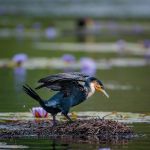

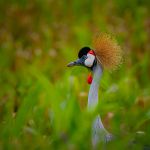
Why Lake Bunyonyi Is a Great Birdwatching Destination
Birds to See on Birding Trips at Lake Bunyonyi
Best Birding Spots Around Lake Bunyonyi
Birdwatching From a Traditional Canoe
Birding Around Bushara Island
Kyahugye Island Birding
Akampene and the Surrounding Lake
Lakeshore Wetlands and Marshy Areas
Lake Bunyonyi Birding Through Nature Walks
Early Morning Birding at Lake Bunyonyi
Best Time for Birdwatching at Lake Bunyonyi
Bird Photography at Lake Bunyonyi
Bird Photography Tips From Hillary
Plan Your Lake Bunyonyi Birding Trip With Hillary
What to Bring for a Lake Bunyonyi Birding Trip
How Long Do You Need for Birding at Lake Bunyonyi?
Combining Lake Bunyonyi Birding With Gorilla Trekking
Lake Bunyonyi Birding for Beginners
Responsible Birdwatching at Lake Bunyonyi
Why Choose a Local Guide for Birding at Lake Bunyonyi?
Frequently Asked Questions About Birding Trips at Lake Bunyonyi
How many bird species are found at Lake Bunyonyi?
What birds can I see at Lake Bunyonyi?
Is Lake Bunyonyi good for bird photography?
What is the best time for birdwatching at Lake Bunyonyi?
Can I combine birding with a Lake Bunyonyi boat trip?
Can I combine birding at Lake Bunyonyi with gorilla trekking?
Final Thoughts on Birding Trips at Lake Bunyonyi