d
Best Hiking Trails Around Lake Bunyonyi: A Complete Guide to Hiking, Nature Walks and Scenic Views
If you are searching for the best hiking trails around Lake Bunyonyi, you are looking for more than beautiful scenery. The hills surrounding this remarkable lake offer a chance to walk through terraced farmland, rural communities, forested slopes and scenic viewpoints while experiencing southwestern Uganda at a slower and more personal pace.
Located in Uganda’s Kabale District at about 1,950–1,962 metres above sea level, Lake Bunyonyi is surrounded by steep, cultivated hills and dotted with numerous small islands. Its name is commonly translated as the “place of many little birds,” and the lake is especially popular with travellers combining nature, culture, birdwatching and relaxation with Uganda gorilla trekking.
While many visitors experience Lake Bunyonyi from a traditional dugout canoe or lakeside lodge, hiking around the lake reveals another side of the destination. Walking through the hills allows you to see local farms, meet communities, observe everyday life and reach viewpoints that are difficult to appreciate from the water.
This guide explains the best hiking trails around Lake Bunyonyi, what to expect, when to go, what to pack and how to make your hiking experience more rewarding with a local guide.
Why Go Hiking Around Lake Bunyonyi?
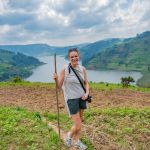
Hiking around Lake Bunyonyi is one of the best ways to experience the landscape beyond the lake itself. The surrounding Kigezi Highlands are characterised by steep hills, terraced cultivation and small rural communities, creating a spectacular setting for walking and photography.
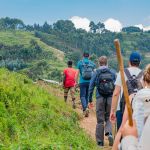
Unlike a conventional mountain hike where the main objective is reaching a summit, Lake Bunyonyi hiking is often about the journey. A trail can take you through farmland, village paths, eucalyptus-covered slopes and viewpoints overlooking the islands before returning to the lakeshore.
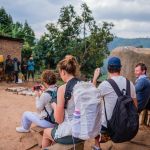
Guided nature walks and hikes around Lake Bunyonyi are also an opportunity to learn about local agriculture and community life. Visitors can encounter cultivated terraces, local homes, schools, gardens and people going about their daily activities.
For photographers, the changing elevation provides constantly different perspectives of the lake, while early-morning mist, afternoon light and dramatic clouds can transform the scenery.
The Best Hiking Trails Around Lake Bunyonyi
There is no single official trail network covering the entire Lake Bunyonyi area. Instead, hiking experiences are generally arranged around local paths, hills, villages, islands and nature-walk routes. This makes a knowledgeable local guide particularly useful for selecting a route according to your fitness, interests and the day’s weather.
1. TOP OF THE WORLD Hill and Lake Bunyonyi Viewpoint Hike
A hike into the hills overlooking Lake Bunyonyi is one of the best choices for travellers whose priority is panoramic photography.
As you climb away from the lakeshore, the landscape gradually opens up. From higher viewpoints, you can look down over the lake, its islands and the heavily cultivated hills surrounding it.
The route is particularly rewarding in the morning when the light is softer and mist may still be hanging over the water. On exceptionally clear days, views toward the Virunga volcanic ranges can add another dramatic element to the landscape.
This is a moderate Lake Bunyonyi hike because the surrounding terrain is naturally hilly. The steep sections can be demanding, particularly for travellers who are not accustomed to walking at high elevation, but the scenery provides plenty of reasons to stop and enjoy the view.
2. Kyabahinga and Surrounding Village Walks
For travellers interested in culture as much as scenery, a Lake Bunyonyi village walk around the Kyabahinga area can be an excellent choice.
Rather than focusing purely on reaching a viewpoint, these walks introduce you to the rural landscape around the lake. You may pass banana gardens, cultivated terraces, homesteads and community paths while learning about how people live and farm in the highlands.
The experience can also be combined with cultural activities and conversations with local residents. Always ask permission before photographing people, particularly children.
A village walk is usually less about speed and more about observation. Your guide can explain the agricultural practices, traditions and local history that you would otherwise miss while travelling by vehicle.
3. Bufuka and Rutinda Lakeshore Walking Routes
The area around Bufuka and Rutinda provides opportunities for shorter walks that can be incorporated into a Lake Bunyonyi holiday.
These routes are useful for travellers who want to stretch their legs without committing to a demanding hill hike. Walking near the lakeshore gives you opportunities to see traditional canoes, cultivated gardens, local homes and birds around the water and surrounding vegetation.
A morning walk can be particularly enjoyable because the temperatures are cooler and the lake often has a peaceful atmosphere before the day’s activities become busy.
For travellers staying around the Rutinda area, a local guide can adapt the walk according to available paths, weather and your interests.
4. Itambira Island Nature Walk
Lake Bunyonyi is not only about mainland hiking. Some of the islands also offer opportunities for short walks and exploration.
Itambira Island can be reached by canoe, after which visitors can explore the island on foot. Local activity providers advertise guided hiking and island experiences, making it possible to combine a walk with a traditional canoe trip.
Island walking is generally more relaxed than climbing the steep mainland hills. It is particularly suitable for travellers interested in nature, birdwatching, photography and quiet exploration.
Combining a Lake Bunyonyi canoe ride with a nature walk is one of the best ways to experience both sides of the destination: the calm water and the landscapes above it.
5. Bushara Island Nature and Forest Walk
Bushara Island is another attractive option for travellers looking for a peaceful nature experience.
The island’s vegetation, walking paths and lakeside scenery create opportunities for a slower form of exploration. Rather than expecting a strenuous mountain trek, think of this as a Lake Bunyonyi nature walk where the emphasis is on scenery, birdlife, plants and relaxation.
It is particularly suitable for travellers who want to combine hiking with an overnight island experience.
Birdwatchers should carry binoculars because Lake Bunyonyi and its surrounding vegetation support a variety of birdlife. The lake’s name itself reflects its association with little birds, while the wider landscape provides habitats around open water, gardens, wetlands and wooded areas.
6. Community and Terraced-Farm Hiking Around Lake Bunyonyi
One of the most rewarding ways to explore the area is simply to ask for a guided community hike around Lake Bunyonyi.
The surrounding hills are heavily cultivated, and walking through the terraces provides a close look at the agricultural landscape that makes the Kigezi region distinctive.
The paths can be narrow and steep, so a local guide is valuable for navigation. Trails can also change depending on farming activities, weather and local conditions.
These walks provide an opportunity to see rural Uganda away from the conventional safari circuit. You may encounter farmers working their gardens, children travelling to school, livestock and traditional methods of cultivation.
For responsible travellers, the most important principle is to respect people’s privacy and property. Stay on appropriate paths, do not walk through crops without permission and always ask before taking photographs.
Hiking Around Lake Bunyonyi With a Local Wildlife Photographer
One of the biggest advantages of hiking Lake Bunyonyi with a local guide is that the experience becomes more than simply following a path.
Hillary is a local wildlife photographer and guide who leads Uganda trips and knows the Lake Bunyonyi area from a local perspective. During his trips, he shares firsthand information about the landscape, communities, wildlife and changing conditions around the lake.
Hillary also brings his experience as a wildlife photographer into the hiking experience. He can share practical wildlife photography tricks, including how to work with natural light, position yourself for stronger landscape compositions, photograph birds and use the hills and islands to create depth in your photographs.
For photographers, this can make a significant difference. A viewpoint may look completely different at sunrise, under afternoon light or when clouds and mist move across the hills.
Planning a Lake Bunyonyi Hiking Trip?
If you want to explore the best hiking trails around Lake Bunyonyi with someone who understands the local landscape, Hillary can organise guided walks around the hills, villages and islands according to your interests and fitness level.
WhatsApp:+256726436969
Email:hillary@hillaryugandatrips.com
You can combine your hike with a traditional canoe ride, birdwatching, cultural experiences or a wider Uganda gorilla trekking safari.
What Makes Lake Bunyonyi Hiking Special for Photographers?
Lake Bunyonyi is one of southwestern Uganda’s most photogenic landscapes.
The combination of water, islands, terraced hills, traditional canoes, cultivated slopes and rural communities creates numerous photographic subjects within a relatively small area.
Early morning is particularly attractive because the light is usually softer and the lake can appear calm and atmospheric. As the sun rises, the light begins to reveal the patterns of the terraced hills.
Late afternoon can also be excellent, particularly when clouds create shadows across the landscape.
Wildlife photographers should also pay attention to birds around the lake. Kingfishers, herons, weavers and other water-associated species can provide opportunities for wildlife and bird photography.
Hillary’s approach is to help visitors make use of the conditions available rather than waiting for perfect weather. Mist, clouds and even changing light can create some of the most memorable images.
Best Time for Hiking Around Lake Bunyonyi
The best time to hike around Lake Bunyonyi depends on what you want from the experience.
The relatively drier periods, particularly June to August and December to February, are generally attractive for outdoor activities because trails are less likely to be muddy. The existing hiking guide for Lake Bunyonyi also identifies these periods as favourable for hiking.
The wetter periods can nevertheless be beautiful. Rain brings lush vegetation, greener terraces and atmospheric mist over the hills. Photographers may actually prefer these conditions.
If hiking during wetter months, carry waterproof clothing and footwear with good grip because steep paths can become slippery.
Rather than cancelling a hike because rain is forecast, speak with your local guide and adjust the walking time according to the day’s conditions.
How Difficult Is Hiking Around Lake Bunyonyi?
The difficulty varies considerably.
Short island walks and gentle lakeshore walks can be suitable for many travellers, including families and visitors who do not regularly hike.
Hill hikes are more demanding because Lake Bunyonyi sits in a highland landscape with steep slopes. Some routes involve sustained uphill and downhill walking, while village paths can include uneven or narrow sections.
You do not need to be an experienced mountaineer to enjoy hiking in Lake Bunyonyi, but you should be comfortable walking on uneven terrain.
Tell your guide about your fitness level before starting. A good local guide can choose a shorter route, reduce the pace or include more viewpoints and rest stops.
What to Pack for a Lake Bunyonyi Hike
The high elevation around Lake Bunyonyi means that mornings and evenings can feel cool, while conditions can change during the day. A light fleece or jacket is therefore useful even when the morning starts sunny.
Comfortable hiking shoes with good grip are important, particularly during the rainy season. Carry drinking water, sunscreen, a hat, insect repellent, a small backpack and a waterproof layer.
Photographers should carry spare batteries and protect cameras from rain. A lightweight camera bag or rain cover can be extremely useful.
If you are taking a longer community walk, carrying some small local currency can also be useful for personal purchases or appropriate community contributions.
Responsible Hiking Around Lake Bunyonyi
Responsible tourism is particularly important when walking through rural communities.
Stay on established or locally approved paths and avoid walking through cultivated fields. Ask permission before entering private property or photographing residents.
If you encounter children, be especially respectful and avoid treating them as photographic subjects without appropriate permission.
Do not leave plastic bottles or food packaging behind. Carry your waste back with you.
Supporting locally owned guides, accommodation providers, craft makers and community initiatives helps ensure that tourism contributes directly to the people living around Lake Bunyonyi.
Combining Lake Bunyonyi Hiking With Gorilla Trekking
One of the best ways to include hiking around Lake Bunyonyi in a Uganda itinerary is to combine it with gorilla trekking in Bwindi Impenetrable National Park or Mgahinga Gorilla National Park.
After spending a day trekking through mountain forest in search of gorillas, Lake Bunyonyi provides a completely different experience. You can slow down, take a canoe across the lake, hike through the surrounding hills and photograph the landscapes.
A Lake Bunyonyi hiking experience can also be included before gorilla trekking. A moderate village or hill walk can be a pleasant way to acclimatise to the highlands while learning about the local area.
For travellers interested in photography, combining gorilla trekking, Lake Bunyonyi and wildlife photography creates a diverse itinerary with opportunities for both intimate wildlife images and expansive landscape photographs.
Sample Lake Bunyonyi Hiking Itinerary
A simple two-day experience can provide a good introduction to the area.
On the first day, arrive at Lake Bunyonyi and take a guided community or hill walk through the surrounding terraces. Spend the afternoon enjoying the lake and, if conditions allow, take a short canoe trip around some of the islands.
On the second morning, take an early nature walk or viewpoint hike for photography. After breakfast, you can explore an island such as Itambira or Bushara by canoe and continue with birdwatching before departing for your next destination.
Travellers with more time can extend the experience into a multi-day itinerary incorporating Lake Bunyonyi, Bwindi, Mgahinga, Kisoro, Kabale and Rwanda.
Frequently Asked Questions About Hiking Around Lake Bunyonyi
What are the best hiking trails around Lake Bunyonyi?
The best routes include hill viewpoint hikes, Kyabahinga and surrounding village walks, Bufuka–Rutinda walking routes, island nature walks on Itambira and Bushara, and community walks through the terraced hills. Routes are often locally arranged rather than part of one formally mapped trail network.
Is Lake Bunyonyi good for hiking?
Yes. The surrounding hills, terraced farmland, villages, viewpoints and islands make Lake Bunyonyi excellent for hiking and nature walks.
Do I need a guide for hiking around Lake Bunyonyi?
A guide is strongly recommended for longer hill and community walks. Local guides can navigate lesser-known paths, explain the culture and help you interact respectfully with communities.
Can I hike Lake Bunyonyi before gorilla trekking?
Yes. A moderate hike around the lake can be a good addition before or after gorilla trekking in Bwindi or Mgahinga.
What should I wear for hiking around Lake Bunyonyi?
Wear comfortable hiking shoes with good grip and lightweight clothing. Carry a light jacket because of the high elevation and a waterproof layer during rainy periods.
Is Lake Bunyonyi hiking suitable for beginners?
Yes, provided you choose an appropriate route. Shorter lakeshore, village and island walks can be easier, while steep hill hikes require greater fitness.
Final Thoughts on the Best Hiking Trails Around Lake Bunyonyi
The best hiking trails around Lake Bunyonyi are not necessarily the longest or most difficult. The most rewarding walks are those that allow you to appreciate the lake, terraced hills, islands, wildlife, photography opportunities and local communities at your own pace.
A hilltop viewpoint can reveal the full beauty of Lake Bunyonyi. A village walk can introduce you to everyday life in the Kigezi Highlands. An island nature walk can provide peaceful scenery and birdwatching, while a cultural route toward the Punishment Island viewpoint can introduce an important chapter of local history.
The area is also an excellent complement to Uganda gorilla trekking. After spending hours in the forest searching for mountain gorillas, walking through the open hills around Lake Bunyonyi provides a completely different perspective of southwestern Uganda.
For the best experience, travel with a knowledgeable local guide who understands the terrain and can adjust your route to your fitness level, weather and interests.
With Hillary, a local wildlife photographer and guide, your Lake Bunyonyi hiking experience can also become a photography adventure. Hillary shares firsthand information about the region and practical wildlife photography tricks that can help you capture stronger photographs of the lake, birds, landscapes, communities and your wider Uganda safari.
Whether you are searching for Lake Bunyonyi hiking trails, nature walks in Uganda, village walks, scenic viewpoints, birdwatching or things to do around Lake Bunyonyi, walking through these beautiful highlands offers one of the most rewarding ways to experience the “place of many little birds.”