Vaccinations Required for Tourists in Uganda: Complete Travel Health Guide
Planning a trip to Uganda involves more than choosing the best national parks, booking accommodation, and arranging a safari vehicle. Understanding the vaccinations required for tourists in Uganda is an important part of preparing for your journey, particularly if you are planning to visit remote areas, national parks, tropical forests, or rural communities.
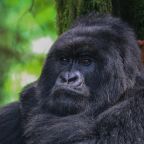
Uganda is one of Africa’s most rewarding safari destinations, offering mountain gorilla trekking in Bwindi Impenetrable National Park, chimpanzee trekking in Kibale Forest and Queen Elizabeth National Park, wildlife viewing in Queen Elizabeth and Murchison Falls National Parks, bird watching in Mabamba Swamp, and scenic experiences around Lake Bunyonyi.
Before traveling, tourists should speak with a qualified travel-health professional about their individual vaccination history, itinerary, medical conditions, and the countries they will visit before and after Uganda.
The most important entry requirement to understand is yellow fever vaccination. Uganda requires proof of yellow fever vaccination for arriving travelers aged one year and above, according to current CDC country guidance, while WHO recommends yellow fever vaccination for international travelers aged nine months and above visiting Uganda because of the risk of transmission.
Is Vaccination Required to Travel to Uganda?
The short answer is that yellow fever vaccination is the key vaccination requirement for entry into Uganda, while several other vaccines are recommended depending on the individual traveler and itinerary.
It is important to understand the difference between a vaccine being legally required for entry and a vaccine being recommended for health protection.
Uganda requires a valid yellow fever vaccination certificate for travelers aged one year and above entering the country. The CDC’s current Uganda travel page confirms both the recommendation for travelers aged nine months and above and the entry requirement for travelers aged one year and above.
Other vaccines, such as hepatitis A, typhoid, routine childhood vaccines, and sometimes rabies, may be recommended by a travel-health professional depending on your circumstances. These are not necessarily immigration requirements.
This distinction is particularly important when searching online for vaccines needed for Uganda, because travelers can encounter lists that combine mandatory entry requirements with general travel-health recommendations.
Yellow Fever Vaccine for Uganda
The Most Important Uganda Travel Vaccination
The yellow fever vaccine is the most important vaccination to arrange before traveling to Uganda.
Yellow fever is a mosquito-borne viral disease that occurs in parts of Africa and South America. Uganda has areas where yellow fever transmission occurs, which is why WHO recommends vaccination for international travelers visiting the country.
For international travel, the vaccination is documented in the International Certificate of Vaccination or Prophylaxis (ICVP), commonly called the yellow card.
Tourists should carry this document with their passport during their Uganda safari because it may be checked at a point of entry.
How Long Before Uganda Travel Should You Get the Yellow Fever Vaccine?
Travelers should not leave yellow fever vaccination until the last minute.
The international yellow fever certificate becomes valid 10 days after vaccination. WHO states that a single dose of a WHO-approved yellow fever vaccine provides sustained, lifelong protection, and a booster dose is not required for international travelers under the current International Health Regulations.
For this reason, it is wise to visit a travel clinic well before your planned Uganda safari.
Ideally, travelers should discuss vaccinations at least several weeks before departure. This gives a healthcare professional enough time to review your existing vaccination records, recommend any additional vaccines, and consider whether you need malaria prevention or other travel-health measures.
Do You Need a Yellow Fever Certificate for Uganda?
Yes. Uganda’s current entry requirement includes a yellow fever vaccination certificate for arriving travelers aged one year and above.
Your certificate should be properly completed by an authorized vaccination provider.
Keep the original certificate with your important travel documents rather than packing it in checked luggage.
If you are traveling through multiple African countries, the certificate can become especially important because other countries may also have yellow fever vaccination requirements depending on your itinerary and previous travel.
This is particularly relevant for travelers combining Rwanda and Uganda, Kenya and Uganda, or Uganda with other destinations in East Africa.
Is the Yellow Fever Vaccine Valid for Life?
Under current international rules, a valid yellow fever vaccination certificate is recognized for the lifetime of the vaccinated person. WHO states that a single dose of WHO-approved yellow fever vaccine provides lifelong protection and that a booster cannot be required from international travelers as a condition of entry.
If you were vaccinated many years ago, do not automatically assume that your certificate has expired simply because it is old.
Instead, take the certificate to a qualified travel-health professional who can verify the documentation and advise you based on your individual circumstances.
What If You Cannot Receive the Yellow Fever Vaccine?
Some travelers may have medical reasons why yellow fever vaccination is not appropriate.
WHO identifies certain groups requiring special consideration, including infants below the recommended vaccination age, some pregnant travelers, people with severe allergies to vaccine components, and people with certain immune-system conditions.
The decision should be made by a qualified medical professional.
If a traveler cannot be vaccinated for a legitimate medical reason, the appropriate health authorities may provide documentation of a medical contraindication. Because entry requirements can be applied at the border, travelers with medical exemptions should confirm the practical requirements with the relevant Ugandan authorities or their airline before departure.
Do not rely solely on advice from a tour operator regarding medical exemptions.
Routine Vaccinations for Uganda Travel
While yellow fever receives the most attention, tourists should also ensure their routine vaccinations are up to date.
The CDC recommends that travelers visiting Uganda make sure they are current on routine vaccines. These can include vaccines protecting against diseases such as measles, mumps, rubella, tetanus, diphtheria, pertussis, chickenpox, influenza, and polio, depending on age and vaccination history.
Routine vaccination is particularly important because international travel can expose people to infections circulating in different countries and communities.
Travelers should bring their existing vaccination records to their travel-health appointment whenever possible.
Hepatitis A Vaccine for Uganda
Hepatitis A vaccination is commonly recommended for travelers visiting countries where hepatitis A exposure can occur through contaminated food and water.
This can be relevant during a Uganda safari because travelers may eat at restaurants, lodges, camps, roadside establishments, and local communities.
Even though Uganda’s safari industry has many high-quality hotels and lodges, travelers should still practice good food and water hygiene.
Hepatitis A vaccination should be discussed with your healthcare provider as part of your Uganda travel vaccinations plan.
Typhoid Vaccine for Uganda
Typhoid vaccination is another vaccine frequently discussed with travelers visiting Uganda.
The CDC currently recommends typhoid vaccination for most travelers to Uganda, particularly those visiting smaller cities or rural areas or staying with friends or relatives.
This is particularly relevant to travelers who plan to explore Uganda beyond major tourist facilities.
A Uganda safari may involve travel through rural communities, local markets, roadside restaurants, and remote areas where food and water exposure can differ from what travelers experience at international hotels.
Vaccination does not replace careful food and water practices. Travelers should still drink safe water, wash their hands regularly, and be selective about food hygiene.
Rabies Vaccine for Tourists Visiting Uganda
Rabies is another consideration for certain travelers.
The CDC notes that rabies occurs in Uganda, including among dogs and some terrestrial wildlife species. Pre-exposure rabies vaccination may be considered for travelers whose activities increase the likelihood of animal exposure or who may have difficulty accessing prompt post-exposure medical care.
This can be especially relevant to people spending extended periods in rural areas, working with animals, cycling through remote regions, camping extensively, or undertaking activities that bring them closer to animals.
For ordinary safari travelers, the decision about pre-exposure rabies vaccination should be individualized.
Never intentionally approach, feed, or touch wild animals during a Uganda safari.
If you are bitten or scratched by a potentially rabid animal, seek medical attention immediately.
Polio Vaccination and Uganda Travel
Polio vaccination is generally part of routine immunization, but travelers should ensure that their vaccination status is current.
International travel-health recommendations can change according to disease transmission patterns, so travelers planning a long trip or visiting several countries should discuss polio vaccination with a travel-health professional.
This is another reason why checking your vaccination record before your Uganda safari is preferable to waiting until the day of departure.
MMR Vaccine and Measles Protection
Measles remains an important international travel-health consideration.
The CDC currently advises international travelers to be fully vaccinated against measles with the measles-mumps-rubella vaccine according to its international travel recommendations.
Adults who are unsure about their childhood vaccination status should discuss their records with a healthcare provider.
Families traveling to Uganda should pay particular attention to children’s routine vaccination schedules.
Tetanus and Diphtheria Vaccination
Tetanus and diphtheria protection is part of routine vaccination but becomes particularly worth reviewing before an adventure-oriented trip.
Uganda offers many activities involving hiking, trekking, forest walks, boat trips, and rural travel.
If you are unsure when you last received a tetanus-containing vaccine, discuss your vaccination history with your healthcare provider before departure.
Malaria Is Not Prevented by a Vaccine for Most Travelers
One important point when discussing Uganda safari health requirements is that travelers should not confuse vaccination with malaria prevention.
Malaria is a significant travel-health consideration in Uganda, but routine traveler protection generally involves mosquito-bite prevention and, when appropriate, prescription malaria prevention medication rather than relying on a standard travel vaccine.
Your doctor or travel-health clinic can assess your itinerary and recommend an appropriate malaria prevention strategy.
Mosquito precautions remain important even when you are staying in comfortable safari lodges.
Use an effective insect repellent, wear long sleeves and trousers when appropriate, and follow accommodation recommendations regarding mosquito nets and other protective measures.
Vaccinations for Gorilla Trekking in Uganda
Many visitors ask whether special vaccines are required specifically for gorilla trekking in Uganda.
There is no separate “gorilla trekking vaccine.”
Instead, travelers should meet Uganda’s general entry health requirements and follow appropriate travel-health recommendations.
Gorilla trekking takes place in high-altitude forest environments, often involving several hours of walking through dense vegetation.
Visitors should therefore prepare for the physical demands of trekking as well as their general health needs.
Because gorillas are susceptible to some human respiratory infections, visitors should also follow the instructions of Uganda Wildlife Authority guides and rangers regarding responsible wildlife viewing.
Never touch a gorilla, attempt to feed one, or deliberately move closer than the permitted viewing distance.
Vaccinations for Chimpanzee Trekking in Uganda
The same general principle applies to chimpanzee trekking in Uganda.
There is no separate chimpanzee trekking vaccine.
Travelers should follow Uganda’s entry requirements and obtain recommended travel vaccinations according to their individual health circumstances.
Chimpanzee trekking in places such as Kibale Forest and Kyambura Gorge involves spending time in forest environments, so mosquito protection, suitable clothing, safe food and water practices, and general travel health precautions remain important.
Vaccinations for Uganda Safari: What Should You Discuss with Your Doctor?
Before your Uganda safari, ask your healthcare provider about:
Yellow fever: Required for entry for travelers aged one year and above under current CDC guidance and recommended by WHO for travelers aged nine months and above.
Routine vaccinations: Check that your regular immunizations are current.
Hepatitis A: Commonly considered for travelers visiting Uganda.
Typhoid: Recommended for most travelers, particularly those visiting rural areas.
Rabies: Considered for travelers with increased animal exposure or limited access to post-exposure treatment.
Other vaccines: Your healthcare provider may recommend additional vaccines depending on your age, medical history, itinerary, previous travel, and duration of stay.
When Should You Start Preparing Your Uganda Travel Vaccinations?
Ideally, begin your health preparation at least four to eight weeks before your Uganda safari.
Some vaccines require multiple doses, while others need to be administered a certain number of days before travel.
Starting early also gives you time to address other health considerations such as malaria prevention, travel insurance, prescription medicines, and medical documentation.
The CDC advises travelers to visit a healthcare professional at least one month before their trip when possible.
However, if your Uganda safari is approaching soon, do not assume it is too late to seek advice. A healthcare professional can still assess what protection is appropriate.
What Documents Should You Carry on Your Uganda Safari?
Travelers should keep important documents together in a secure but accessible location.
These may include your:
Passport
Uganda visa or relevant travel authorization
Yellow fever vaccination certificate
Travel insurance information
Prescription medication documentation
Emergency contact information
Copies of important medical records where appropriate
If you are traveling through Rwanda, Kenya, Tanzania, or another country, check the health requirements for every country on your itinerary.
Traveling from Rwanda to Uganda: Yellow Fever Considerations
Many tourists travel from Rwanda to Uganda through the Cyanika or Katuna border crossings, particularly when combining Kigali with gorilla trekking or a Lake Bunyonyi holiday.
Travelers crossing international borders should carry their yellow fever certificate and other required documents.
Do not assume that requirements are identical between Rwanda and Uganda. Entry requirements can depend on where you have traveled previously, transit times, and current national regulations.
If your safari includes multiple East African countries, discuss the entire itinerary with a travel-health professional before departure.
Food and Water Safety During a Uganda Safari
Vaccinations are only one part of staying healthy in Uganda.
Travelers should also pay attention to food and water hygiene.
Drink bottled, treated, or otherwise reliably safe water when appropriate. Be cautious with untreated water from lakes, rivers, and other natural sources.
Wash your hands regularly, particularly before eating.
Well-established safari lodges generally follow food-safety procedures, but travelers should still use common sense when eating outside their accommodation.
Street food can be an enjoyable part of cultural travel, but travelers should consider how food has been prepared, cooked, stored, and served.
Mosquito Protection During a Uganda Safari
Mosquito protection should be part of every Uganda travel health plan.
Mosquitoes can transmit several diseases, including malaria and yellow fever.
Use insect repellent according to its instructions and consider wearing long-sleeved shirts and long trousers when mosquitoes are active.
At night, use mosquito nets where provided.
Although many travelers associate mosquitoes with nighttime, WHO notes that yellow fever transmission can involve daytime and early-evening mosquito activity, making all-day bite prevention important in risk areas.
Staying Healthy During Gorilla Trekking and Wildlife Safaris
Uganda’s national parks can involve long drives, early mornings, hiking, changing weather, and physically demanding activities.
Travelers should stay hydrated and carry drinking water during hikes.
Comfortable hiking shoes are essential for gorilla and chimpanzee trekking.
A lightweight rain jacket is useful because tropical forests can experience sudden rainfall.
A small personal first-aid kit can also be useful.
Travelers taking regular prescription medication should bring enough for the trip and, where appropriate, carry documentation from their healthcare provider.
Photography and Health During Your Uganda Safari
A safari is also a photographic adventure, and this is where traveling with an experienced local photographer can make a major difference.
Hillary, a local wildlife photographer and safari guide, leads Uganda trips and shares firsthand information about wildlife behavior, locations, light conditions, and practical photography techniques.
From mountain gorillas in Bwindi to elephants in Queen Elizabeth National Park, chimpanzees in Kibale, shoebills in Mabamba Swamp, and landscapes around Lake Bunyonyi, Hillary helps travelers understand how to photograph Uganda responsibly while making the most of their cameras or smartphones.
Good photography also requires preparation. Carry sufficient memory cards, charged batteries, weather protection for your equipment, and a comfortable camera bag suitable for trekking.
Plan Your Uganda Safari with Hillary Uganda Trips
If you are preparing for a Uganda safari and want help organizing your itinerary, Hillary Uganda Trips can create a personalized journey around your interests.
Hillary is a local wildlife photographer and guide who personally leads Uganda trips and shares firsthand information gained from extensive experience exploring the country’s national parks and communities.
His photography guidance can help travelers understand composition, lighting, wildlife behavior, camera settings, and the best opportunities to capture memorable safari photographs.
Whether you are interested in gorilla trekking, chimpanzee trekking, Uganda wildlife safaris, birding safaris, Lake Bunyonyi, Queen Elizabeth National Park, Bwindi, Kibale Forest, or Murchison Falls, your itinerary can be tailored to your travel goals.
Start Planning Your Uganda Safari
WhatsApp: +256726436969
Email: hillary@hillaryugandatrips.com
Contact Hillary Uganda Trips early so there is enough time to coordinate your safari itinerary, permits, accommodation, transportation, and other travel arrangements.
Common Questions About Vaccinations Required for Tourists in Uganda
Is yellow fever vaccination mandatory for Uganda?
Uganda currently requires arriving travelers aged one year and above to have proof of yellow fever vaccination. The CDC lists this as an entry requirement, while WHO recommends yellow fever vaccination for international travelers aged nine months and above visiting Uganda.
How long is a yellow fever certificate valid?
A valid international yellow fever vaccination certificate is recognized for the lifetime of the vaccinated person under current international rules.
How long before traveling to Uganda should I get yellow fever vaccination?
The certificate becomes valid 10 days after vaccination. Travelers should therefore arrange vaccination well before departure.
Do I need typhoid vaccination for Uganda?
Typhoid vaccination is recommended for most travelers to Uganda, especially those visiting rural areas or smaller cities. Discuss your individual risk with a healthcare professional.
Do I need rabies vaccination for a Uganda safari?
Not every safari traveler needs pre-exposure rabies vaccination. It may be considered for people whose activities increase animal exposure or who may have difficulty accessing prompt medical treatment after an exposure.
Are vaccines required for gorilla trekking?
There is no separate vaccine specifically required for gorilla trekking. Travelers should meet Uganda’s general entry requirements and follow individualized travel-health recommendations.
Can I travel to Uganda if I am not vaccinated against yellow fever?
Because yellow fever vaccination is an entry requirement for travelers aged one year and above, travelers who cannot be vaccinated for medical reasons should obtain professional medical advice and appropriate documentation before travel. Entry procedures should also be confirmed with the relevant authorities before departure.
Final Checklist: Uganda Vaccinations and Travel Health
Before leaving for your Uganda safari, consider the following checklist:
Confirm yellow fever vaccination and carry your international certificate.
Check your routine vaccinations.
Ask your doctor about hepatitis A and typhoid.
Discuss rabies vaccination if your activities involve increased animal exposure.
Ask about malaria prevention.
Pack mosquito repellent.
Carry sufficient prescription medication.
Consider travel insurance with medical coverage.
Carry copies of important travel documents.
Check the health requirements for every country on your itinerary.
Seek professional travel-health advice before departure.
Final Thoughts on Vaccinations for Tourists Visiting Uganda
Understanding the vaccinations required for tourists in Uganda should be an important part of your safari preparation.
The yellow fever vaccine is the central vaccination requirement for entry into Uganda, with the current CDC guidance stating that travelers aged one year and above must have proof of vaccination. WHO recommends yellow fever vaccination for international travelers aged nine months and above traveling to Uganda because of the country’s yellow fever transmission risk.
Beyond yellow fever, travelers should review their routine vaccinations and discuss vaccines such as hepatitis A, typhoid, and rabies with a qualified travel-health professional according to their personal circumstances and itinerary.
Remember that vaccinations are only one part of responsible travel preparation. Mosquito protection, safe food and water, travel insurance, appropriate medication, and sensible wildlife-viewing practices are equally important.
For travelers planning a Uganda safari, gorilla trekking adventure, chimpanzee trek, wildlife photography trip, or birding safari, good preparation allows you to focus on the experience itself.
With Hillary Uganda Trips, you can explore Uganda with a local wildlife photographer and guide who provides firsthand knowledge of the country’s wildlife, landscapes, communities, and safari routes. Hillary also shares practical wildlife photography tricks to help you return home with stronger photographs and unforgettable memories of Uganda.
Plan your Uganda adventure with Hillary Uganda Trips.
📩 Email Hillary at hillary@hillaryugandatrips.com or
📲 Chat via WhatsApp at +256726436969 to start planning today.
You may also read my previous articles
Stay Protected, Travel Informed
Knowing what vaccinations are required for Uganda is a critical part of travel planning. Vaccinations help ensure your trip is enjoyable, safe, and seamless especially when guided by a trusted local expert like Hillary.
From health preparation to immersive wildlife encounters, Uganda welcomes you with breathtaking beauty, warm hospitality, and a truly wild experience.