Picture this: you’re on a small boat drifting up the Nile, hippos grunting from the shallows, a crocodile sliding off a sandbank, and ahead of you the whole river is forced through a gap just a few meters wide, crashing down in a roar of white water. That’s Murchison Falls national park, and it’s one of the most dramatic sights in Africa.
Murchison Falls National Park is Uganda’s largest and oldest park, and it’s the best place in the country for a classic big game safari combined with a river cruise. In this Murchison Falls National Park safari guide, we cover what you’ll see, the best time to visit, how to get there, costs, where to stay and how to plan your days, with insider tips from guides who work here every week.
Murchison Falls National Park: Quick Facts
- Location: Northwestern Uganda, where the Victoria Nile meets Lake Albert
- Size: Around 3,900 square kilometers, the biggest national park in Uganda
- Famous for: Murchison Falls, Nile boat cruises, elephants, giraffes, lions, hippos and the shoebill stork
- Best time to visit: December to February and June to August
- Ideal length of stay: 2 to 3 days
- Distance from Kampala: About 5 to 6 hours by road, or a short domestic flight
- Park entry fee: Around US$40 per day for foreign non-residents at the time of writing (confirm before booking)
- Main activities: Game drives, Nile boat cruise, hike to the top of the falls, birding, chimp tracking in nearby Budongo Forest
Why Visit Murchison Falls National Park?
The Falls Are the Real Thing
At Murchison Falls, the mighty Nile squeezes through a gap about seven meters wide and plunges roughly 43 meters into the gorge below. You feel it before you see it, because the ground literally vibrates. Few waterfalls in Africa are this powerful.
Big Game and River Wildlife in One Park
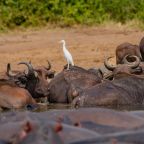
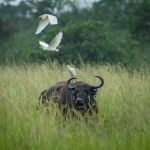
Murchison is home to elephants, buffalo, Rothschild’s giraffes, lions, leopards, hippos, crocodiles, Uganda kob, hartebeest, waterbuck and more. The savannah on the north bank is open and easy to scan, which makes game drives productive and photogenic.
A Birder’s Paradise
The park has over 450 recorded bird species. It’s one of the best places in Uganda to look for the prehistoric-looking shoebill stork, along with bee-eaters, kingfishers, hornbills and fish eagles.
Great Value and Fewer Crowds
Compared with the busiest parks in East Africa, Murchison feels spacious and uncrowded. You can often have a lion sighting or an elephant crossing mostly to yourselves.
Best Time to Visit Murchison Falls National Park
Murchison can be visited all year, but conditions change with the seasons.
Dry Seasons: December to February and June to August
This is the best time for game viewing. Grass is shorter, animals gather near the Nile and roads are easier to drive. The weather is comfortable, and the light is good for photography.
Wet Seasons: March to May and September to November
The park turns lush and green, and birdlife is excellent, especially with migratory species from November. You’ll find fewer visitors and cheaper lodges, but some tracks can get muddy, and the grass is taller.
Insider tip: Even in the wet season, rain often arrives in afternoon bursts. Mornings can be bright and clear, which suits early game drives.
For a month-by-month breakdown of Uganda’s seasons, read our guide to the best time to visit Uganda.
How to Get to Murchison Falls National Park
By Road from Kampala
The drive takes about 5 to 6 hours, usually via Masindi, to the park gates. Some of the route is on good tarmac, and the final stretch is a murram road. A 4×4 safari vehicle is recommended.
By Air
You can fly from Entebbe or Kajjansi to airstrips near the park such as Pakuba, saving a full day of driving. It costs more but is ideal for short trips.
Stop at Ziwa Rhino Sanctuary
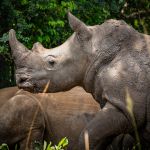
On the way, we love to stop at Ziwa Rhino Sanctuary, where you can track southern white rhinos on foot. Murchison itself no longer has rhinos, so Ziwa lets you add one more big animal to your list.
The Two Sides of the Park
The Nile divides Murchison into a north bank and a south bank. Most of the big game is on the north bank, and you cross by ferry at Paraa. The south bank is quieter and has forest and birding. Most itineraries use the north bank for game drives and the south bank for the boat launch and Budongo Forest.
Top Things to Do on a Murchison Falls Safari
1. Boat Cruise to the Bottom of the Falls
This is the signature activity. The cruise leaves from Paraa and travels upstream for around two hours, passing hippos, crocodiles, buffalo, elephants and countless birds. At the end, you get a spectacular view of the falls from below. It’s easily one of the best boat safaris in Africa.
Insider tip: Sit on the side facing the riverbank for the best wildlife views. Bring a rain jacket, because the mist from the falls is real.
2. Game Drives on the North Bank
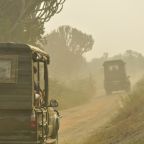
Early morning and late afternoon game drives are the best times. Our guides head for the Buligi circuit and the Delta area, where you can find elephants, giraffes, lions, buffalo, Uganda kob, warthogs and, with luck, leopards.
As a quick guide to what you might see:
- Elephants: Often in herds near the Nile and open plains
- Giraffes: Rothschild’s giraffes are common on the north bank
- Lions: Present and sometimes seen resting in the grass or under trees
- Hippos and crocodiles: Almost guaranteed on the river
- Leopards: Rare, but possible with a lot of patience
We never promise a particular animal, because it’s wild nature. But our guides know where to look and how to read the signs.
3. Hike to the Top of the Falls
The hike to the top takes you right up to the point where the Nile squeezes through the gorge. Standing at the edge is loud, wet and thrilling. The trail is moderately steep and the views are fantastic.
4. Delta Boat Trip and Shoebill Search
Where the Nile enters Lake Albert, a delta of channels and papyrus is a prime place to look for the shoebill. It’s an early-morning boat trip, and the shoebill is often easiest to find in the drier months, although sightings are never guaranteed.
5. Chimpanzee Tracking in Budongo Forest
Just south of the park, Budongo Forest has a habituated chimp community. It’s a good add-on if you want primates but can’t fit Kibale or gorillas into your trip.
6. Birdwatching
Bring binoculars. In a single day, you might spot Abyssinian ground hornbills, red-throated bee-eaters, malachite kingfishers, African fish eagles and more.
7. Nile Perch and Cultural Experiences
Some travelers add sport fishing for Nile perch, or visit nearby communities to learn about local life. We can arrange this on request.
Planning a Murchison trip? Email Hillary; The Photographic Leader at hillary@hillaryugandatrips.com and we’ll design the perfect route for your dates.
Photography Tips for Murchison Falls
Murchison is a dream for photographers, and it’s a place where good preparation pays off.
- Shoot at golden hour. The best light is early morning and late afternoon, when animals are most active too.
- Bring a telephoto lens. A 100 to 400mm lens is ideal for wildlife, while a wider lens captures the falls and landscapes.
- Use the boat wisely. The cruise is great for birds and hippos. Keep a lens cloth ready for mist.
- Go for eye-level shots. Ask your driver-guide to position the vehicle so you can shoot without obstructions.
- Protect your gear. Dust and spray can damage cameras, so carry a dry bag and microfiber cloth.
- Be patient. The best shots often come after waiting quietly for a few extra minutes.
If photography is a priority for your trip, tell us in advance. We can plan longer stops, better lighting and the right vehicle setup for you.
Where to Stay in Murchison Falls National Park
There’s a good range of lodges and camps both inside the park and near its gates. As a general guide:
- Luxury and upper mid-range: Lodges with river or savannah views, swimming pools and fine dining, often near Paraa or along the Nile
- Mid-range: Comfortable lodges and tented camps with private bathrooms and good food
- Budget: Simple bandas, camps and guesthouses, some outside the park gates
Where you stay affects your daily routine. Lodges on the north bank put you close to the game drives, while lodges near the southern gates are convenient if you arrive from Kampala. We’ll recommend the right base based on your budget, group size and interests.
Murchison Falls Safari Cost
Costs vary by season, lodge and group size. Here’s a rough guide to the main fees at the time of writing for foreign non-residents. Please confirm current rates with us before booking.
| Item | Approximate cost |
|---|---|
| Park entrance fee | About US$40 per day |
| Boat cruise to the falls | About US$30 to US$40 |
| Vehicle and driver-guide | About US$150 to US$250 per day |
| Ferry crossing and extras | Small additional fees |
A 3-day Murchison safari typically costs far less than a gorilla trip, because you’re not paying a permit fee of around US$800. That makes Murchison a great choice for budget-conscious travelers, and for combining with Kibale or Queen Elizabeth. For a wider look at prices, see our guide to Uganda safari costs.
Sample Murchison Falls Itineraries
2-Day Murchison Falls Safari
Drive from Kampala via Ziwa Rhino Sanctuary on Day 1, with a game drive in the afternoon. Day 2 includes the boat cruise to the falls, then the return to Kampala.
3-Day Murchison Falls Safari
Day 1 travel and Ziwa rhinos. Day 2 morning game drive and afternoon boat cruise. Day 3 hike to the top of the falls and return. This is our most popular option.
5-Day Murchison and Chimps
Add Budongo Forest chimp tracking and a delta shoebill trip, plus a more relaxed pace. Great for birders and photographers.
7-Day Murchison, Kibale and Queen Elizabeth
Combine Murchison with chimp tracking in Kibale and savannah game drives in Queen Elizabeth. Add gorillas in Bwindi if you want a complete Uganda safari. For more details, see our gorilla trekking in Uganda guide.
What to Pack for Murchison Falls
- Neutral-colored, lightweight clothing
- Hat, sunglasses and sunscreen
- Insect repellent
- Light rain jacket for the boat and showers
- Binoculars and camera with telephoto lens
- Comfortable walking shoes for the hike to the falls
- Dry bag and lens cloths
- Reusable water bottle and a small daypack
Health and Safety Tips
- Malaria: Murchison is a malaria-risk area. Speak to your doctor about prophylaxis, and use repellent at dusk.
- Vaccinations: Check requirements, including yellow fever, with your doctor well before travel.
- Wildlife: Never leave your vehicle during game drives unless your guide says it’s safe.
- Sun and water: The equatorial sun is strong. Drink plenty of water and wear a hat.
- Travel insurance: Always buy it before you go.
Why Book With Hillary Uganda Trips
We’re a Uganda-based team, and Murchison is a park we know well. When you plan with us, you get:
- Local expertise: Guides who know the best circuits, light and wildlife spots.
- Photography-friendly trips: Led by Hillary, the Photographic Leader, with the right timing and stops for great shots.
- Tailor-made itineraries: Matched to your dates, pace and budget.
- Transparent pricing: Clear quotes with no hidden costs.
- Fast, friendly support: Quick replies on WhatsApp and email.
We’d rather give you honest advice than sell the wrong trip.
Frequently Asked Questions About Murchison Falls National Park
How many days do you need at Murchison Falls?
We recommend 2 to 3 days. That gives you time for a game drive, the boat cruise to the falls and a hike to the top. Add extra days if you want chimps, birding or a relaxed pace.
What is the best time to visit Murchison Falls?
December to February and June to August are best, as the dry weather concentrates wildlife near the Nile and makes roads easier. The rainy months are greener, quieter and cheaper.
Can you see the Big Five at Murchison Falls?
No. You can see elephants, buffalo, lions and leopards, but rhinos are not found in the park. You can see white rhinos at nearby Ziwa Rhino Sanctuary on the way.
How far is Murchison Falls from Kampala?
It’s about 5 to 6 hours by road to the park gates, depending on traffic and the route. You can also fly from Entebbe or Kajjansi to airstrips near the park in about an hour.
Is Murchison Falls worth visiting?
Yes. It offers dramatic scenery, excellent wildlife, a famous boat cruise and fewer crowds than many African parks. It’s also cheaper than gorilla trekking, so it’s a great value safari.
How much is the entrance fee for Murchison Falls?
At the time of writing, the entrance fee is about US$40 per day for foreign non-residents. Rates can change, so confirm the current price with us before you book.
Can I see shoebills at Murchison Falls?
Yes, the delta area is a good place to look for them, especially in the drier months. Sightings are never guaranteed, but our guides know the best channels and timing.
Final Thoughts: Is a Murchison Falls Safari Right for You?
If you want classic wildlife, a legendary river and a thrilling waterfall without huge crowds, a Murchison Falls National Park safari is hard to beat. Visit in the dry seasons for the best game viewing, give yourself at least two nights, and bring a camera you’re excited to use.
Ready to Plan Your Murchison Falls Safari?
Tell us your dates, group size and interests, and we’ll create a trip that fits you perfectly. No pressure, just honest advice from people who call Uganda home.
WhatsApp us: +256726436969 Email Hillary; The Photographic Leader: hillary@hillaryugandatrips.com
Get a free, no-obligation quote within 24 hours.