Bwindi Impenetrable National Park: Uganda’s Ultimate Gorilla Trekking Destination
Few wildlife experiences compare to standing just a few metres away from a family of endangered mountain gorillas in their natural rainforest habitat. Deep in southwestern Uganda lies Bwindi Impenetrable National Park, one of Africa’s most remarkable protected forests and arguably the world’s finest destination for gorilla trekking. Every year, travellers from across the globe visit this UNESCO World Heritage Site to witness these magnificent primates while exploring one of the oldest rainforests on Earth.
Bwindi Impenetrable National Park is much more than a gorilla destination. It is an ecological treasure, a biodiversity hotspot, a birdwatcher’s paradise, and a place where ancient rainforest meets rich local culture. The park offers unforgettable wildlife encounters, breathtaking scenery, community experiences, and exceptional photography opportunities throughout the year.
Whether you are planning your first Uganda safari or returning to discover another region of the country, this complete guide explains everything you need to know about Bwindi gorilla trekking, wildlife, accommodation, photography, travel planning, and the best experiences waiting inside Uganda’s most famous national park.
Where is Bwindi Impenetrable National Park?
Bwindi Impenetrable National Park is located in southwestern Uganda along the edge of the Great Rift Valley. The park borders the Democratic Republic of Congo and stretches across the districts of Kanungu, Rubanda, and Kisoro. Covering approximately 331 square kilometres, Bwindi protects one of Africa’s oldest montane rainforests, estimated to be more than 25,000 years old.
Despite its relatively small size, Bwindi contains one of the richest ecosystems on the African continent. Dense forests, mist-covered valleys, steep hills, waterfalls, and bamboo zones create a spectacular landscape that supports an incredible variety of wildlife and plant species.
The park is approximately eight to ten hours by road from Entebbe or Kampala, although many visitors choose domestic flights to nearby airstrips, significantly reducing travel time. Bwindi is also commonly combined with Rwanda, making it an excellent addition to East African safari itineraries.
Why is Bwindi Impenetrable National Park Famous?
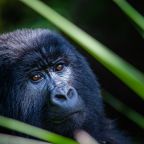
The greatest attraction of Bwindi Impenetrable National Park is its population of endangered mountain gorillas. More than half of the world’s remaining mountain gorillas live within this forest, making Uganda the leading destination for gorilla trekking.
Unlike traditional wildlife safaris where animals are observed from vehicles, gorilla trekking involves hiking through dense rainforest with experienced rangers until one habituated gorilla family is located. Visitors then spend one unforgettable hour observing these gentle giants as they feed, groom one another, play, and interact naturally.
This extraordinary wildlife experience has earned Bwindi international recognition and has become one of Africa’s most sought-after safari adventures.
Beyond gorillas, Bwindi attracts visitors because of its exceptional biodiversity. Scientists continue discovering new species in the forest, reinforcing its importance as one of the planet’s ecological treasures.
A UNESCO World Heritage Site
In 1994, Bwindi Impenetrable National Park was designated a UNESCO World Heritage Site because of its outstanding biological significance.
The park protects one of Africa’s oldest surviving rainforests and provides refuge for countless endangered species. Its conservation success is recognised globally, particularly for protecting mountain gorillas through sustainable tourism and community involvement.
Tourism revenue generated through gorilla trekking has helped support conservation initiatives while providing employment opportunities for surrounding communities.
The Incredible Biodiversity of Bwindi
Although gorillas receive most of the attention, Bwindi’s biodiversity is extraordinary.
The rainforest contains over 400 plant species, many found nowhere else in East Africa. Towering mahogany trees, giant ferns, moss-covered vines, orchids, and dense undergrowth create an environment unlike any other in Uganda.
Wildlife includes:
- Endangered mountain gorillas
- Chimpanzees
- Black-and-white colobus monkeys
- L’Hoest’s monkeys
- Blue monkeys
- Red-tailed monkeys
- Olive baboons
- Forest elephants
- Bush pigs
- Giant forest hogs
- Numerous reptiles and amphibians
Bwindi is equally famous among birdwatchers. More than 350 bird species have been recorded, including over twenty Albertine Rift endemics that attract bird enthusiasts from around the world.
Because of its exceptional biodiversity, Bwindi National Park is often described as one of Africa’s richest forests for wildlife and conservation.
Gorilla Trekking in Bwindi Impenetrable National Park
Gorilla trekking is the highlight of any visit to Bwindi National Park and consistently ranks among the greatest wildlife experiences in the world.
Your adventure begins early in the morning with a briefing from Uganda Wildlife Authority rangers. During the briefing, visitors learn about gorilla behaviour, safety rules, conservation efforts, and trekking expectations.
Groups are assigned specific habituated gorilla families based on fitness levels and permit availability.
The trek itself can last anywhere from one to seven hours depending on where the gorillas are located that day. Some families remain close to the trail, while others move deeper into the rainforest.
The journey is part of the adventure. Visitors hike through ancient forest, cross streams, climb hills, and discover countless birds, butterflies, insects, and plants before finally encountering a gorilla family.
Once the gorillas are located, visitors spend exactly one hour observing them in complete silence while experienced rangers interpret their behaviour.
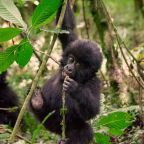
Watching silverbacks protect their families, mothers caring for infants, and playful young gorillas interacting with one another creates memories that remain unforgettable for a lifetime.
The Four Gorilla Trekking Sectors of Bwindi
Bwindi is divided into four distinct gorilla trekking sectors, each offering unique scenery, accommodation options, and gorilla families.
Buhoma Sector
Buhoma is the oldest and most famous gorilla trekking sector in Uganda. Located in the northern part of Bwindi, it was home to Uganda’s first habituated gorilla family.
This sector is ideal for visitors seeking excellent accessibility, luxury lodges, scenic forest walks, waterfalls, and community tourism experiences.
Ruhija Sector
Ruhija sits at higher elevations and is particularly attractive for birdwatchers and photographers.
The cooler climate, panoramic mountain views, and quieter trekking routes make Ruhija popular among nature enthusiasts seeking a peaceful safari experience.
Rushaga Sector
Rushaga contains the highest number of habituated gorilla families in Bwindi.
Because of the greater permit availability, this sector often provides more flexibility when planning Uganda gorilla safaris. Rushaga is also the only sector offering the Gorilla Habituation Experience, allowing visitors to spend four hours with a semi-habituated gorilla family.
Nkuringo Sector
Nkuringo offers some of the most spectacular scenery in Uganda.
Treks here can be more physically demanding because of the steep terrain, but visitors are rewarded with breathtaking views across the Virunga Volcanoes and surrounding forests.
Many experienced hikers consider Nkuringo the most scenic gorilla trekking sector in Bwindi.
What Makes Gorilla Trekking So Special?
Mountain gorillas share approximately 98 percent of human DNA, making their behaviour remarkably familiar.
Visitors often observe family interactions that resemble human relationships—mothers comforting infants, juveniles playing together, dominant silverbacks protecting their groups, and family members grooming one another.
Unlike zoo encounters, gorilla trekking takes place entirely within their natural rainforest habitat, making every experience unique and completely authentic.
Because only a limited number of permits are issued each day, the experience remains exclusive while minimising disturbance to the gorillas.
Wildlife Photography in Bwindi National Park
Bwindi presents exciting opportunities for wildlife photography, but photographing gorillas inside dense rainforest requires a different approach from photographing animals on open savannahs.
As a local wildlife photographer and safari guide, Hillary leads Uganda safaris with a strong focus on helping visitors capture meaningful and technically strong wildlife images. His firsthand knowledge of gorilla behaviour, rainforest lighting, and trekking routes enables guests to maximise every photographic opportunity while respecting wildlife and park regulations.
One of the biggest challenges in Bwindi is the limited natural light beneath the forest canopy. Fast lenses with wide apertures perform exceptionally well, allowing photographers to keep shutter speeds high enough to freeze movement without relying on flash, which is prohibited during gorilla trekking.
Patience is often more valuable than expensive equipment. Instead of photographing continuously, wait for expressive moments such as eye contact, playful interactions between juveniles, or a silverback emerging into a natural opening in the vegetation. These moments create more compelling images than simply taking hundreds of photographs.
Hillary also shares practical rainforest photography techniques throughout the safari, including camera settings for low-light conditions, composition ideas, ethical wildlife photography practices, and ways to anticipate animal behaviour. Whether you use a professional DSLR, mirrorless camera, or even a modern smartphone, these local insights help you return home with photographs that tell the story of your Uganda safari.
Best Time to Visit Bwindi Impenetrable National Park
One of the most common questions travellers ask when planning a Uganda safari is, “When is the best time to visit Bwindi Impenetrable National Park?” The encouraging answer is that gorilla trekking is available throughout the year. Mountain gorillas remain in the forest every day, and experienced rangers track their movements regardless of the season.
However, weather conditions can influence trekking difficulty, photography, and overall travel comfort.
The dry seasons, which run from June to August and December to February, are generally regarded as the best months for gorilla trekking in Uganda. Trails are usually less muddy, making hikes easier and reducing the chances of slipping on steep forest slopes. These months also attract the highest number of international visitors, so booking gorilla permits and accommodation well in advance is essential.
The wet seasons, from March to May and September to November, offer a different but equally rewarding experience. Although rainfall is more frequent and trekking trails become more challenging, the rainforest is exceptionally lush and vibrant. Mist drifts through the towering trees, waterfalls flow at full strength, and the forest becomes even more photogenic. Birdwatchers particularly enjoy these months as migratory species are present and breeding activity increases.
For photographers, rainy conditions can create dramatic scenes with soft natural light filtering through the forest canopy. The deep green vegetation and atmospheric mist often produce some of the most striking wildlife images.
Ultimately, there is no bad time to visit Bwindi. Every season offers its own advantages, and mountain gorilla encounters remain extraordinary throughout the year.
Gorilla Permits in Uganda
A gorilla permit is mandatory for anyone wishing to trek mountain gorillas in Bwindi Impenetrable National Park. The permit grants access to one habituated gorilla family and allows visitors to spend one unforgettable hour observing the gorillas once they are located.
Because the number of visitors allowed to see each gorilla family is strictly limited every day, permits frequently sell out months in advance, particularly during the peak travel seasons.
Booking your permit early is one of the most important steps when planning a Uganda gorilla safari. Many travellers secure permits six to twelve months before arrival, especially if travelling during the dry season or around international holidays.
The permit fee directly supports conservation efforts, anti-poaching patrols, veterinary care for mountain gorillas, scientific research, and community development projects surrounding the park. Gorilla tourism has become one of Uganda’s greatest conservation success stories, demonstrating how responsible tourism can protect endangered wildlife while improving local livelihoods.
The Gorilla Habituation Experience
For wildlife enthusiasts seeking a deeper encounter, Bwindi offers the unique Gorilla Habituation Experience, available exclusively in the Rushaga sector.
Unlike the standard trek, where visitors spend one hour with fully habituated gorillas, the Gorilla Habituation Experience allows guests to spend up to four hours with researchers, trackers, and conservationists observing a gorilla family that is still becoming accustomed to human presence.
This extended experience offers remarkable opportunities to study gorilla behaviour, family dynamics, communication, feeding habits, and social interactions. Photographers also appreciate the additional time, allowing them to capture a wider variety of images without feeling rushed.
For travellers passionate about wildlife conservation and photography, the Gorilla Habituation Experience is one of the most exclusive primate encounters available anywhere in the world.
Wildlife Beyond the Gorillas
Although gorillas are the primary attraction, Bwindi Impenetrable National Park supports an astonishing diversity of wildlife that often surprises first-time visitors.
The forest is home to more than 120 mammal species, making it one of Uganda’s richest protected ecosystems. Several species of primates can be encountered during forest walks, including black-and-white colobus monkeys, blue monkeys, red-tailed monkeys, olive baboons, and the elusive L’Hoest’s monkey, a species largely restricted to the Albertine Rift.
Forest elephants occasionally move through the dense vegetation, although sightings are relatively rare due to the thick rainforest. Bush pigs, giant forest hogs, duikers, bushbucks, and numerous small mammals also inhabit the park.
One of Bwindi’s greatest strengths is that every walk through the forest offers something different. Even when trekking for gorillas, visitors regularly encounter colourful butterflies, unusual insects, reptiles, frogs, fungi, and hundreds of fascinating plant species that contribute to the forest’s extraordinary biodiversity.
Bird Watching in Bwindi National Park
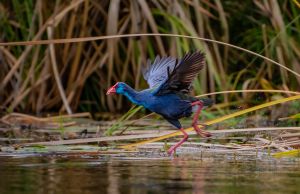
Bwindi Impenetrable National Park is recognised as one of Africa’s premier birding destinations.
More than 350 bird species have been recorded within the park, including over 23 Albertine Rift endemic species that occur nowhere else or only within this remarkable mountain ecosystem.
Birdwatchers travel from around the world hoping to observe sought-after species such as the African Green Broadbill, Shelley’s Crimsonwing, Handsome Francolin, Grauer’s Warbler, Regal Sunbird, Black Bee-eater, Strange Weaver, and Rwenzori Batis.
The Ruhija sector is widely regarded as the best birding area within the park due to its higher elevation forests and excellent network of trails.
Even travellers primarily visiting for gorilla trekking often find themselves captivated by Bwindi’s colourful birdlife. The constant chorus of forest birds provides a magical soundtrack throughout every hike.
Forest Walks and Nature Trails
Bwindi offers much more than gorilla trekking. Several guided forest walks allow visitors to appreciate the rainforest from different perspectives while discovering its remarkable ecology.
The Munyanga River Trail introduces visitors to waterfalls, towering tropical trees, butterflies, medicinal plants, and a variety of bird species. This relatively gentle walk is suitable for most fitness levels and provides an excellent introduction to the forest ecosystem.
Other trails climb higher into the mountains, rewarding hikers with sweeping views across the rainforest canopy, neighbouring hills, and distant volcanic landscapes.
These guided walks are led by knowledgeable Uganda Wildlife Authority rangers who explain the medicinal uses of forest plants, identify birds and mammals, and share fascinating insights into Bwindi’s ecological importance.
For travellers spending multiple nights in the park, adding a forest walk creates a richer and more complete rainforest experience.
Cultural Experiences Around Bwindi
A visit to Bwindi is also an opportunity to experience the cultures of southwestern Uganda.
The communities surrounding the park have played an essential role in conservation by supporting sustainable tourism initiatives that provide employment while protecting wildlife.
Among the most meaningful cultural experiences is visiting the Batwa community. The Batwa people are the original forest inhabitants who lived as hunter-gatherers in Bwindi for generations before the park became protected.
Today, guided cultural experiences allow visitors to learn about traditional forest survival skills, medicinal plants, hunting techniques, music, dance, storytelling, and the deep spiritual relationship the Batwa once shared with the rainforest.
Many villages surrounding Bwindi also offer opportunities to visit local coffee farms, women’s craft cooperatives, schools, banana beer brewing demonstrations, and community conservation projects. These experiences allow visitors to understand how tourism positively contributes to local livelihoods.
Accommodation Around Bwindi Impenetrable National Park
Bwindi offers accommodation for every budget, ranging from comfortable guesthouses to some of East Africa’s finest luxury safari lodges.
Luxury travellers can enjoy elegant forest lodges featuring panoramic rainforest views, gourmet dining, spa facilities, fireplaces, and personalised service. Many luxury properties are located close to gorilla trekking briefing points, reducing morning transfer times.
Mid-range lodges provide an excellent balance of comfort, hospitality, and affordability. Visitors enjoy spacious cottages, excellent local cuisine, beautiful gardens, and warm Ugandan hospitality while remaining close to trekking sectors.
Budget accommodation is also widely available, making gorilla trekking accessible to independent travellers and backpackers. Clean rooms, friendly service, and convenient locations allow visitors to experience Bwindi without compromising the quality of their safari.
When choosing accommodation, it is important to book a lodge located in the same sector as your gorilla permit. This minimises travel time on trekking morning and allows you to enjoy a more relaxed safari experience.
What to Pack for Gorilla Trekking
Preparing properly for gorilla trekking greatly enhances both comfort and safety.
Sturdy waterproof hiking boots are essential because forest trails can be steep, uneven, and muddy throughout the year. Long-sleeved shirts and long trousers help protect against scratches, insects, and stinging plants commonly found along the trails.
A lightweight waterproof rain jacket is recommended regardless of the season, as rainforest weather can change quickly.
Gardening gloves are surprisingly useful for gripping vegetation while climbing or descending steep slopes. A comfortable daypack should include drinking water, snacks, sunscreen, insect repellent, personal medication, extra camera batteries, memory cards, and a dry bag to protect electronics.
Photography enthusiasts should also carry a lens cloth to remove moisture from camera equipment, particularly during rainy periods.
Packing appropriately ensures you remain comfortable while fully enjoying one of Africa’s greatest wildlife adventures.
How to Get to Bwindi Impenetrable National Park
Reaching Bwindi Impenetrable National Park is an adventure in itself. Located in the scenic highlands of southwestern Uganda, the journey takes visitors through rolling hills, tea plantations, traditional villages, lush banana plantations, and breathtaking landscapes that have earned Uganda the nickname “The Pearl of Africa.”
By Road
Travelling by road is the most popular way to reach Bwindi, particularly for visitors who want to experience Uganda’s diverse scenery and include other national parks in their itinerary.
From Entebbe International Airport or Kampala, the drive typically takes between 8 and 10 hours, depending on the gorilla trekking sector and road conditions. Although the journey is long, it offers numerous opportunities to stop at the Equator, local markets, scenic viewpoints, and wildlife reserves.
Many travellers combine Bwindi with a safari in Queen Elizabeth National Park, making the drive between the two parks approximately 3 to 5 hours, depending on which sector of Bwindi they are visiting. This combination allows visitors to enjoy classic African wildlife before tracking mountain gorillas.
Bwindi can also be accessed from Lake Mburo National Park, making it an excellent stop on longer Uganda safari itineraries.
By Domestic Flight
Visitors with limited time often choose scheduled domestic flights from Entebbe to nearby airstrips such as Kihihi or Kisoro. Flights significantly reduce travel time, allowing guests to spend more time enjoying the rainforest instead of driving.
From the airstrips, comfortable road transfers connect visitors to their respective lodges and gorilla trekking sectors.
Domestic flights are particularly popular for luxury Uganda safaris and honeymoon packages.
From Kigali, Rwanda
Many international visitors choose to begin their safari in Kigali because the drive to southern Bwindi is relatively short.
Travelling from Kigali to the Rushaga or Nkuringo sectors generally takes about 4 to 5 hours, including the border crossing. This option is ideal for travellers with limited time while still wishing to experience Uganda’s world-famous gorilla trekking.
Combining Bwindi with Other Uganda Safari Destinations
Although many visitors travel specifically for gorilla trekking, Bwindi fits perfectly into longer Uganda safari itineraries. Combining different ecosystems allows travellers to experience the country’s extraordinary diversity.
Queen Elizabeth National Park
One of the most popular combinations includes Queen Elizabeth National Park. Here, visitors enjoy classic game drives searching for elephants, buffaloes, lions, leopards, hyenas, Uganda kobs, and numerous antelope species.
The famous Kazinga Channel boat safari offers outstanding opportunities to photograph hippos, Nile crocodiles, African fish eagles, elephants, buffaloes, and hundreds of waterbirds at close range.
Travellers may also visit the Ishasha sector, renowned for its famous tree-climbing lions before continuing to Bwindi for gorilla trekking.
Kibale National Park
Kibale National Park is widely recognised as Africa’s best destination for chimpanzee trekking.
Combining chimpanzees and mountain gorillas within one safari allows visitors to experience two of humanity’s closest relatives in their natural habitats. Kibale also supports thirteen primate species, making it one of Uganda’s richest forests for primate diversity.
Lake Bunyonyi
Following the physical demands of gorilla trekking, many travellers choose to unwind at the spectacular Lake Bunyonyi.
Surrounded by terraced hills and dotted with more than twenty islands, Lake Bunyonyi offers canoeing, bird watching, cultural visits, swimming, and peaceful lakeside relaxation.
Its cool climate and scenic beauty make it one of Uganda’s most popular honeymoon and post-safari destinations.
Lake Mburo National Park
Lake Mburo National Park provides a completely different safari experience.
Here, visitors can enjoy walking safaris, horseback safaris, cycling safaris, boat cruises, and game drives while searching for zebras, giraffes, impalas, elands, buffaloes, hippos, and numerous bird species.
It serves as an excellent final stop before returning to Entebbe.
Murchison Falls National Park
Travellers with additional time should consider including Murchison Falls National Park, Uganda’s largest and most famous protected area.
Highlights include powerful waterfalls, extensive game drives, Nile River boat cruises, chimpanzee trekking in Budongo Forest, and excellent wildlife photography opportunities.
Together with Bwindi, these destinations create one of Africa’s most diverse safari experiences.
Conservation Success in Bwindi
Bwindi Impenetrable National Park stands as one of the world’s greatest conservation success stories.
Mountain gorillas once faced severe threats from habitat loss, poaching, civil unrest, and disease. Today, thanks to collaborative conservation efforts involving the Uganda Wildlife Authority, local communities, researchers, veterinarians, conservation organisations, and responsible tourism, mountain gorilla numbers have steadily increased.
Every gorilla trekking permit contributes directly to conservation by supporting ranger patrols, veterinary interventions, scientific monitoring, habitat protection, infrastructure development, and community projects.
Neighbouring communities also benefit through employment, lodge operations, handicraft sales, guiding services, cultural tourism, education, and healthcare initiatives funded through tourism revenue.
Visitors who participate in gorilla trekking become active contributors to protecting one of the world’s most endangered great apes.
Responsible Gorilla Trekking
Responsible tourism plays an essential role in safeguarding mountain gorillas for future generations.
Visitors should always follow the instructions of Uganda Wildlife Authority rangers during the trek.
Maintaining the recommended viewing distance helps reduce the risk of disease transmission, as gorillas are highly susceptible to many human illnesses. Anyone feeling unwell should postpone trekking to protect the animals.
Flash photography is not permitted because sudden bursts of light may disturb the gorillas.
Speaking quietly, avoiding sudden movements, and never attempting to touch the gorillas all contribute to a respectful wildlife encounter.
These simple guidelines ensure that tourism continues to support conservation while providing unforgettable experiences for visitors.
Wildlife Photography Tips for Bwindi
Photographing wildlife in Bwindi differs greatly from photographing animals on open savannahs.
The rainforest canopy creates low-light conditions throughout much of the day, requiring careful camera settings and patience.
As a local wildlife photographer, Hillary has spent years photographing gorillas and Uganda’s wildlife in their natural habitats. During your safari with Hillary Uganda Trips, he shares practical field techniques that help both beginners and experienced photographers capture stronger wildlife images.
One of the most valuable lessons is learning to anticipate behaviour rather than reacting after it happens. Watching a gorilla’s body language often reveals when it is about to look up, interact with another family member, feed, or move into better light.
Instead of focusing solely on close-up portraits, Hillary encourages visitors to photograph wider environmental scenes that show the gorillas within their ancient rainforest home. These images tell a richer story and highlight the remarkable habitat that conservation efforts are protecting.
Composition also makes a significant difference. Framing gorillas naturally between tree trunks, vines, leaves, or shafts of filtered sunlight creates more compelling photographs than tightly cropped images alone.
Visitors using smartphones can also capture impressive images by remaining steady, avoiding excessive digital zoom, and taking advantage of natural openings in the vegetation.
Throughout the safari, Hillary explains camera settings, positioning, ethical wildlife photography, lighting techniques, and composition, ensuring guests return home with meaningful photographs as well as unforgettable memories.
Why Choose Hillary Uganda Trips?
Planning a gorilla safari involves much more than simply booking accommodation and permits. Local knowledge makes a significant difference in creating a smooth, enjoyable, and memorable experience.
Hillary Uganda Trips specialises in personalised Uganda safaris designed around each traveller’s interests, schedule, and budget.
Every itinerary is carefully planned to include comfortable accommodation, reliable transport, timely permit reservations, and carefully selected destinations that maximise wildlife viewing opportunities.
What truly distinguishes the experience is Hillary’s background as a local wildlife photographer. Rather than simply driving between destinations, he helps guests understand animal behaviour, recognise photographic opportunities, appreciate Uganda’s ecosystems, and experience the country through the eyes of someone who has spent years exploring its national parks.
Whether your dream safari includes gorilla trekking, chimpanzees, tree-climbing lions, bird watching, photography, or cultural experiences, Hillary provides firsthand local expertise that transforms an ordinary holiday into an unforgettable African adventure.
Frequently Asked Questions About Bwindi Impenetrable National Park
Is Bwindi Impenetrable National Park Worth Visiting?
Absolutely. Bwindi Impenetrable National Park is widely regarded as one of Africa’s greatest wildlife destinations. While many visitors initially travel to Uganda for gorilla trekking, they quickly discover that the park offers far more than a single wildlife encounter. Its ancient rainforest, extraordinary biodiversity, spectacular scenery, birdlife, waterfalls, cultural experiences, and conservation success make it one of the most rewarding places to visit in East Africa.
Standing face-to-face with a family of wild mountain gorillas is often described as a life-changing experience, and for many travellers, it becomes the highlight of their African safari.
How Difficult is Gorilla Trekking?
The difficulty of gorilla trekking varies depending on the location of the gorilla family on the day of your visit. Some treks last less than an hour, while others may require several hours of hiking through steep terrain, dense vegetation, and muddy forest trails.
A moderate level of fitness is helpful, but people of different ages successfully complete gorilla treks every day. During the morning briefing, Uganda Wildlife Authority guides assign visitors to gorilla families based on fitness levels whenever possible.
Visitors who may require additional assistance can hire local porters. Besides helping carry backpacks, porters provide valuable support on steep sections of the trail and the service directly benefits local communities.
Can Children Go Gorilla Trekking?
For conservation and safety reasons, visitors must meet the minimum age requirement established by the Uganda Wildlife Authority before participating in gorilla trekking.
Families travelling with younger children often combine Bwindi with other Uganda safari destinations that offer game drives, boat cruises, nature walks, cultural experiences, and birdwatching while eligible family members participate in the trek.
How Close Do You Get to the Gorillas?
During the trek, visitors are generally expected to maintain a safe viewing distance from the gorillas. However, mountain gorillas are wild animals, and because they move freely through the forest, they occasionally approach visitors on their own.
These unforgettable moments are carefully managed by experienced rangers, who ensure both visitor safety and the well-being of the gorillas.
Is Gorilla Trekking Safe?
Yes. Gorilla trekking in Bwindi Impenetrable National Park is considered very safe.
Every trek is led by highly trained Uganda Wildlife Authority guides and armed ranger escorts who are experienced in gorilla behaviour and forest navigation. Before entering the forest, visitors receive a comprehensive safety briefing covering trekking procedures and appropriate behaviour around the gorillas.
Thousands of visitors safely complete gorilla trekking every year, making it one of Africa’s most professionally managed wildlife experiences.
How Many Days Should You Spend in Bwindi?
Most travellers spend two or three nights in Bwindi, allowing enough time for gorilla trekking and additional forest or cultural activities.
However, photographers, birdwatchers, and nature enthusiasts often choose longer stays to fully appreciate the rainforest ecosystem and enjoy multiple guided experiences.
A longer visit also provides opportunities to relax, explore nearby communities, and experience the peaceful atmosphere of southwestern Uganda.
Why Bwindi Should Be on Every Wildlife Lover’s Bucket List
Few destinations combine biodiversity, conservation, adventure, culture, and photography as successfully as Bwindi Impenetrable National Park.
Every walk through the ancient rainforest reveals something remarkable. One moment you may hear the distant calls of colourful birds echoing through the trees. The next, a family of mountain gorillas quietly emerges from the dense vegetation, offering one of the most intimate wildlife encounters on Earth.
The experience extends far beyond the gorillas themselves. Visitors leave with a greater appreciation for tropical rainforests, wildlife conservation, and the communities that work tirelessly to protect this extraordinary ecosystem.
Whether you are an experienced safari traveller or visiting Africa for the very first time, Bwindi offers memories that will remain with you forever.
Plan Your Bwindi Gorilla Trekking Safari with Hillary Uganda Trips
Planning a gorilla safari requires careful attention to permits, accommodation, transportation, and timing. Choosing an experienced local guide ensures that every part of your journey runs smoothly while giving you authentic insights that only someone who knows Uganda firsthand can provide.
Hillary, a local wildlife photographer and professional safari guide, personally leads many of the Uganda safaris offered through Hillary Uganda Trips. Having spent years exploring Uganda’s national parks, photographing wildlife, and guiding international visitors, Hillary shares practical local knowledge that goes beyond standard guidebooks.
Throughout your safari, he helps you understand animal behaviour, locate the best wildlife viewing opportunities, and improve your wildlife photography. From selecting the right camera settings for the dim rainforest of Bwindi to positioning yourself for the perfect gorilla portrait or capturing dramatic landscapes during game drives, his firsthand experience helps guests return home with unforgettable memories and outstanding photographs.
Whether you dream of tracking endangered mountain gorillas, photographing tree-climbing lions in Queen Elizabeth National Park, searching for chimpanzees in Kibale Forest, relaxing at Lake Bunyonyi, or enjoying a complete Uganda wildlife safari, Hillary Uganda Trips creates tailor-made itineraries designed around your interests, travel style, and budget.
Your adventure is carefully planned from arrival to departure, allowing you to relax and fully immerse yourself in one of Africa’s most extraordinary wildlife destinations.
Contact Hillary Uganda Trips
Ready to experience the unforgettable beauty of Bwindi Impenetrable National Park and Uganda’s incredible wildlife?
Hillary Uganda Trips offers personalised safari planning, gorilla permit booking assistance, wildlife photography safaris, birding tours, family holidays, luxury safaris, honeymoon packages, and tailor-made Uganda adventures led by local experts.
WhatsApp: +256726436969
Email: hillary@hillaryugandatrips.com
Get in touch today to start planning your once-in-a-lifetime Uganda gorilla trekking safari.