Best Things to Do in Kabale, Uganda: Complete Guide to Attractions and Activities
Kabale is one of the most scenic towns in southwestern Uganda and an excellent base for exploring the spectacular Kigezi Highlands. Known for its cool climate, rolling hills, terraced farmland and proximity to Lake Bunyonyi, Kabale offers much more than a stopover on the way to Uganda’s famous gorilla trekking destinations.
If you are searching for the best things to do in Kabale, you can choose from scenic hiking, canoeing, birdwatching, cultural experiences, local markets, photography, community tourism and day trips into the surrounding highlands. Kabale is also strategically located for travellers continuing to Bwindi Impenetrable National Park, Mgahinga Gorilla National Park, Kisoro and Rwanda.
The town and surrounding countryside are particularly rewarding for travellers who want to experience Uganda beyond traditional wildlife safaris. The dramatic agricultural terraces, winding roads, villages and mountain scenery provide countless opportunities for photography and cultural encounters.
This updated guide explores the top things to do in Kabale, including the attractions around Lake Bunyonyi and the experiences that can easily be combined with a Uganda safari.
1. Visit Lake Bunyonyi
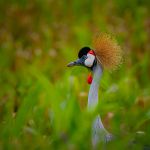
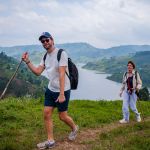
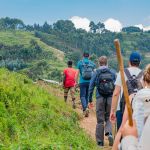
For most visitors, Lake Bunyonyi is the number one thing to do near Kabale. Located in the Kigezi Highlands, the lake is surrounded by steep terraced hills and dotted with numerous islands, creating one of southwestern Uganda’s most recognisable landscapes.
Lake Bunyonyi
A visit can involve a traditional canoe ride, sightseeing around the islands, birdwatching, hiking or simply relaxing beside the water. The lake is also an excellent place to spend a night or two before or after gorilla trekking.
The surrounding landscape is particularly beautiful at sunrise and sunset. Early morning mist can float above the water while the terraced hills gradually become illuminated by sunlight.
For travellers interested in things to do in Kabale and Lake Bunyonyi, combining the two destinations creates a much richer experience than simply passing through Kabale.
2. Take a Lake Bunyonyi Canoe or Boat Trip
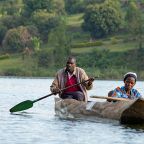
A traditional canoe trip is one of the most memorable Lake Bunyonyi activities.
The calm waters allow visitors to explore the islands at a relaxed pace while learning about the history and traditions associated with the lake. Depending on the route, you can see islands such as Akampene, Bushara, Bwama and others.
The experience is particularly good for photographers because a canoe provides constantly changing perspectives of the islands, hills and local communities.
Early morning and late afternoon are excellent times for photography because the light is softer and the lake can become beautifully reflective.
If you want to explore the lake with a local perspective, a guide can also explain the stories associated with different islands rather than simply taking you around the water. Hillary Uganda Trips highlights guided canoe experiences around several of Lake Bunyonyi’s islands and local communities.
3. Go Hiking in the Kabale Highlands
One of the best things to do in Kabale Uganda is hiking through the surrounding hills.
Kabale’s dramatic landscape has earned it comparisons with Switzerland because of its green hills, steep cultivated terraces and cool highland climate. The scenery becomes even more impressive when viewed from a higher elevation.
Hiking routes around the Kabale and Lake Bunyonyi area can take you through villages, gardens, eucalyptus-covered slopes and terraced farmland. Some walks lead to viewpoints overlooking Lake Bunyonyi, while others provide opportunities to observe everyday rural life.
The difficulty varies depending on the route. A local guide can select a shorter walk for beginners or a more demanding hill hike for experienced walkers.
For travellers interested in hiking in Kabale, the greatest reward is often not reaching a particular summit but experiencing the landscape and communities along the way.
4. Explore Lake Bunyonyi’s Islands
Island hopping is another excellent activity when visiting Kabale.
Lake Bunyonyi is known for its numerous islands, each with its own landscape, history and character. A boat or canoe excursion allows you to explore several of them in a single trip.
Akampene, commonly called Punishment Island, is particularly well known for its history and traditional stories. The island is associated with the former practice of abandoning unmarried pregnant women there. It should therefore be approached as a site of difficult cultural history rather than simply a tourist curiosity.
Bushara Island provides opportunities for nature walks and relaxation, while Bwama and Njuyeera are associated with the history of Dr. Leonard Sharp and former medical facilities on the lake.
Island hopping is especially rewarding when combined with birdwatching and photography.
5. Go Birdwatching Around Lake Bunyonyi
If you are interested in birdwatching in Kabale, Lake Bunyonyi is one of the area’s most rewarding destinations.
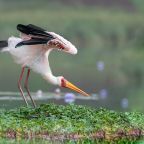
The lake and surrounding habitats support a wide variety of bird species, including waterbirds, kingfishers, weavers, sunbirds, herons and other species associated with wetlands, gardens and highland vegetation.
A canoe provides an excellent platform for watching birds around the shoreline and islands, while walking through the surrounding hills gives access to different habitats.
Lake Bunyonyi is also a useful stop for travellers undertaking a wider Uganda birding safari, particularly when combined with Bwindi, Mgahinga, Kibale National Park and Mabamba Swamp.
For serious bird photographers, early morning is especially productive because bird activity and natural light can both be favourable.
6. Experience Bakiga Culture and Community Life
Kabale is located in the heart of the Kigezi region, traditionally associated with the Bakiga people.
One of the most meaningful things to do in Kabale is therefore to experience local culture rather than simply visit scenic attractions.
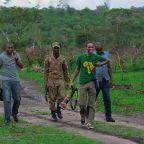
Guided community walks can introduce visitors to traditional agriculture, food, music, dance, crafts and everyday life. Walking through the terraced hills provides an opportunity to understand how communities have adapted to a mountainous environment where farming requires intensive use of the available land.
A local guide can also explain cultural traditions and the history of the region in a way that is difficult to obtain from a guidebook.
Responsible cultural tourism should always respect local customs, private property and people’s privacy. Ask permission before photographing people or entering homes.
7. Visit Kabale Town and the Local Market
For travellers who want to experience everyday life, spending time in Kabale town is worthwhile.
The local market provides a colourful introduction to the region’s agricultural economy. Depending on the day and season, visitors can see fresh produce, bananas, vegetables, grains, clothing and other locally traded goods.
Markets are excellent places for photographers because of the combination of people, colours, movement and products. However, always ask before taking close-up photographs of individuals.
Walking through town can also provide a useful contrast with the quiet countryside around Lake Bunyonyi. Kabale functions as an important commercial centre for the surrounding highlands, making it an interesting place to observe how rural and urban life connect.
8. Visit Nyakagyera Cave
For travellers looking for a less conventional Kabale tourist attraction, Nyakagyera Cave can add a different dimension to your itinerary.
Nyakagyera Cave
Caves and rock formations around southwestern Uganda are associated with local history and traditions, and visiting one can complement the area’s better-known lake and hill experiences.
Because cave access and local conditions can vary, it is best to arrange a visit with a local guide rather than attempting to explore unfamiliar areas independently.
The attraction is particularly suitable for travellers who enjoy combining nature, local stories and off-the-beaten-path experiences.
9. Explore the Scenic Kabale–Kisoro Road
The journey between Kabale and Kisoro is itself one of the most scenic drives in southwestern Uganda.
The road winds through the Kigezi Highlands, passing steep hills, cultivated terraces, rural communities and spectacular viewpoints.
For photographers, this is not simply a transfer route. The changing landscape provides opportunities to stop for photographs and observe local life.
The route is also important for travellers heading toward Mgahinga Gorilla National Park, Bwindi and the Rwanda border.
A private vehicle with a knowledgeable guide gives you considerably more flexibility because you can stop at suitable viewpoints instead of treating the road purely as a means of transportation.
10. Visit Mgahinga Gorilla National Park
Kabale can serve as a useful base or transit point for travellers heading farther southwest toward Kisoro and Mgahinga Gorilla National Park.
Mgahinga Gorilla National Park
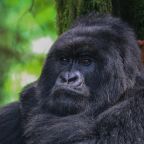
Mgahinga is part of the Virunga conservation landscape and is famous for mountain gorillas, golden monkeys and dramatic volcanic scenery.
For visitors combining Kabale tourism with gorilla trekking, the park can be incorporated into a longer southwestern Uganda itinerary.
Depending on your schedule, you can combine Kabale and Lake Bunyonyi with gorilla trekking, golden monkey tracking, hiking and cultural experiences.
11. Add a Batwa Cultural Experience
A Batwa cultural experience is another meaningful activity that can be incorporated into a southwestern Uganda trip from the Kabale area.
The Batwa are Indigenous forest communities with deep historical connections to the forests of the region, including areas around Bwindi and Mgahinga.
A responsible cultural experience may involve traditional storytelling, music, dance, demonstrations and discussions about the Batwa’s relationship with the forest.
This should be approached respectfully and as a genuine cultural exchange rather than simply entertainment. Working with community-based experiences helps ensure that tourism contributes directly to participating communities.
Hillary Uganda Trips has previously highlighted Batwa cultural experiences around Lake Bunyonyi and the wider southwestern Uganda region as part of its local community tourism activities.
12. Visit Bwindi for Gorilla Trekking
One of the biggest reasons international travellers visit the Kabale region is its proximity to Bwindi Impenetrable National Park.
Although gorilla trekking takes place inside designated sectors of Bwindi rather than in Kabale town, Kabale can form part of the journey to the park.
For travellers searching for things to do near Kabale, combining a Lake Bunyonyi stay with gorilla trekking is one of the strongest options.
The experience involves hiking through dense rainforest in search of a habituated mountain gorilla family. After the trek, returning to the cooler and more peaceful environment around Lake Bunyonyi provides an excellent contrast.
Gorilla permits are limited and should be arranged well before your intended trekking date.
13. Enjoy Kabale for Wildlife and Landscape Photography
Kabale is an excellent destination for photographers because the region combines wildlife, landscapes, people and culture.
The terraced hills create strong geometric patterns, while Lake Bunyonyi provides reflections, islands and atmospheric conditions. Villages and agricultural activities add a human dimension to landscape photography.
Bird photographers can combine a long lens with a boat trip on Lake Bunyonyi, while landscape photographers can use hilltop viewpoints during sunrise or sunset.
Hillary, a local wildlife photographer and guide, leads Uganda trips around Kabale, Lake Bunyonyi and other destinations in southwestern Uganda. His local knowledge allows him to identify good viewpoints and understand how weather and light affect the landscape.
More importantly for photographers, Hillary shares firsthand information and practical wildlife photography tricks to help you make the most of your camera. He can advise on composition, natural light, bird photography, positioning and timing so that you return home with stronger photographs from your Uganda safari.
Planning a Kabale Trip With a Local Photographer?
If you want to explore Kabale, Lake Bunyonyi and southwestern Uganda with a local guide, Hillary can design a trip around your interests, whether you are interested in hiking, birding, photography, culture, gorilla trekking or a combination of experiences.
WhatsApp:+256726436969
Email: hillary@hillaryugandatrips.com
Travelling with a local also makes it easier to adapt the day’s activities according to weather, road conditions, photography opportunities and your preferred pace.
14. Take a Day Trip Around the Kigezi Highlands
If you have extra time, consider using Kabale as a base for exploring the surrounding highlands.
The region is filled with scenic roads, farming communities, viewpoints and cultural sites. A private day trip allows you to combine several experiences without rushing from one attraction to another.
You could begin with an early morning walk, continue toward Lake Bunyonyi for a canoe ride and birdwatching, and finish the day photographing the hills in late afternoon light.
This flexibility is one reason private Kabale tours are particularly useful for photographers and travellers who prefer experiences rather than a rigid sightseeing schedule.
15. Relax and Enjoy the Kabale Highland Climate
Not every activity needs to be physically demanding.
Kabale’s cool highland climate makes it an appealing place to slow down after a long Uganda safari. You can enjoy views of the hills, spend time around Lake Bunyonyi, take a gentle walk or simply relax at your accommodation.
The area is particularly attractive after gorilla trekking or chimpanzee trekking when travellers may appreciate a quieter day.
If you are staying around Lake Bunyonyi, the peaceful setting and surrounding scenery make it easy to combine relaxation with light activities such as canoeing, birdwatching and nature walks.
Best Time to Visit Kabale
Kabale can be visited throughout the year, but the experience varies according to weather and your planned activities.
The relatively drier periods are generally convenient for hiking, road travel and outdoor activities. The wetter periods bring greener landscapes and can produce spectacular mist and cloud formations around the hills.
For photographers, rainy-season conditions should not necessarily be considered a disadvantage. Clouds, mist and soft light can create atmospheric landscape photographs that are difficult to achieve on completely clear days.
If your trip includes gorilla trekking, remember that Bwindi and Mgahinga are rainforest environments where rain can occur at any time. Waterproof clothing and appropriate hiking footwear are therefore useful regardless of the season.
How Many Days Do You Need in Kabale?
A traveller passing through Kabale can experience the highlights in one day, particularly if the main attraction is Lake Bunyonyi.
However, two to three days in Kabale and Lake Bunyonyi allows for a much more relaxed experience.
You could spend the first day exploring Kabale and travelling to Lake Bunyonyi, the second day combining hiking, birdwatching and canoeing, and a third day continuing toward Bwindi or Mgahinga.
Travellers undertaking a broader Uganda safari can stay longer and use the region as part of an itinerary connecting Rwanda, Bwindi, Queen Elizabeth National Park and Kibale.
Best Things to Do in Kabale for Different Travellers
For first-time visitors, Lake Bunyonyi, canoeing and a scenic hill walk are excellent introductions to the region.
For photographers, the combination of Lake Bunyonyi, hill viewpoints, village walks and birding offers the greatest variety of subjects.
For birdwatchers, Lake Bunyonyi and surrounding wetlands and highland habitats are particularly attractive.
For adventure travellers, hiking and combining Kabale with Mgahinga or Bwindi provides more demanding outdoor experiences.
For culture enthusiasts, Bakiga community experiences and responsible Batwa cultural visits offer opportunities to learn about the people and traditions of southwestern Uganda.
For honeymooners, Lake Bunyonyi provides a peaceful highland setting where canoeing, scenic walks and lakeside relaxation can be combined with a wider Uganda safari.
Final Thoughts on the Best Things to Do in Kabale
The best things to do in Kabale go far beyond sightseeing in the town itself. Kabale is the gateway to one of Uganda’s most beautiful highland regions, where terraced hills, Lake Bunyonyi, rural communities, birdlife and mountain landscapes come together.
For most travellers, Lake Bunyonyi should be at the top of the list. Canoeing, island hopping, birdwatching and hiking provide different ways to experience the lake.
Beyond the lake, Kabale offers opportunities for cultural experiences, scenic drives, hiking, photography and access toward Bwindi and Mgahinga. The region can therefore be incorporated into anything from a short weekend escape to a multi-day Uganda gorilla trekking safari.
The best way to experience Kabale is to avoid rushing through it. Give yourself time to walk through the hills, talk to local communities, photograph the terraces, explore Lake Bunyonyi and appreciate the highland scenery.
With Hillary, a local wildlife photographer and guide, your trip can be tailored around what interests you most. Hillary shares firsthand knowledge of Kabale and southwestern Uganda while providing practical wildlife photography tricks for photographers who want to capture the best possible images of their safari.
Whether you are searching for Kabale tourist attractions, things to do in Kabale Uganda, Lake Bunyonyi activities, hiking in Kabale, birdwatching in southwestern Uganda, Uganda gorilla trekking or photography safaris, Kabale is a destination worth exploring rather than simply passing through.
Plan your Kabale and Lake Bunyonyi experience with a local guide and photographer.
WhatsApp: +256 726 436 969