Understanding the Shoebill Stork
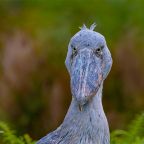
The shoebill stork is one of Africa’s most extraordinary and sought-after bird species, instantly recognizable by its massive shoe-shaped bill and prehistoric appearance. Towering over most wetland birds, the shoebill has captivated birders, photographers, and wildlife enthusiasts from around the world. Its slow movements, intense stare, and solitary behavior make every sighting a memorable experience.
Shoebills are highly specialized birds, adapted to life in large freshwater wetlands dominated by papyrus vegetation. They are patient hunters, often standing motionless for long periods before striking with remarkable precision. Because of their specific habitat requirements and limited global distribution, shoebills are considered vulnerable, making responsible and well-guided sightings especially important.
Uganda is one of the best countries in Africa to see the shoebill stork reliably, and Mabamba Swamp stands out as the most famous and successful location for shoebill tracking in the country.
Mabamba Swamp as a Shoebill Habitat
Mabamba Swamp is a vast papyrus wetland located along the shores of Lake Victoria, near Entebbe. This protected wetland provides ideal conditions for shoebills, including abundant lungfish, shallow waters, and dense papyrus cover. The swamp’s ecological importance extends beyond shoebills, supporting a wide range of wetland bird species and contributing to the overall health of Lake Victoria’s ecosystem.
What makes Mabamba Swamp particularly special for birders is the consistency of shoebill sightings. Unlike many other locations where shoebill encounters are unpredictable, Mabamba offers one of the highest success rates in Africa. This reliability has made it a must-visit destination for anyone interested in birding in Uganda.
Mabamba is also recognized internationally as an Important Bird Area, highlighting its global conservation value. Community-led conservation efforts have played a significant role in protecting the swamp and ensuring sustainable birding tourism.
The Shoebill Tracking Experience Explained
Shoebill tracking in Mabamba Swamp is typically conducted by canoe, allowing birders to move quietly through narrow channels carved into the papyrus. These traditional wooden canoes provide an intimate and low-impact way to explore the wetland, ensuring minimal disturbance to birds and their habitat.
Local bird guides navigate the swamp using deep knowledge of shoebill territories and feeding patterns. Tracking involves scanning open water patches and listening carefully for signs of movement. When a shoebill is located, guides position the canoe at a respectful distance, allowing ample time for observation and photography.
Encounters with shoebills can last anywhere from a few minutes to over an hour, depending on the bird’s behavior. Watching a shoebill hunt, preen, or take flight is a rare privilege and often one of the highlights of a Uganda birding safari.
Canoe-based birding in Mabamba
Canoe birding is central to the Mabamba experience. The slow pace allows birders to appreciate the wetland’s rich birdlife beyond the shoebill, including jacanas, herons, egrets, and papyrus specialists. The peaceful atmosphere of the swamp adds to the sense of immersion and connection with nature.
Shoebill behavior and sighting etiquette
Responsible shoebill tracking follows strict ethical guidelines. Guides ensure that boats keep a safe distance and avoid blocking the bird’s movement or feeding routes. Flash photography is discouraged, and loud noises are avoided to reduce stress on the bird. These practices help protect shoebills while ensuring sustainable tourism.
Best Time of Day for Shoebill Tracking
Shoebill tracking in Mabamba Swamp is most productive during the early morning hours when temperatures are cooler and bird activity is higher. Morning light also provides ideal conditions for photography, with soft reflections on the water and papyrus.
That said, shoebills can be seen throughout the day, and sightings are possible year-round due to Mabamba’s stable wetland environment. Timing is often adjusted based on weather conditions, water levels, and recent shoebill activity reported by local guides.
Because Mabamba is located close to Entebbe, shoebill tracking can easily be done as a half-day excursion, making it an excellent introduction to birding in Uganda or a perfect addition to longer birding itineraries.
Conservation of Mabamba Wetlands
Mabamba Swamp is a powerful example of how community-based conservation and birding tourism can work together. Local communities manage access to the swamp, provide guiding services, and benefit directly from tourism revenue. This model creates strong incentives to protect the wetland and its birdlife.
Shoebill tracking fees contribute to habitat preservation, guide training, and environmental education initiatives. By choosing guided shoebill tracking in Mabamba, visitors play an active role in supporting conservation efforts and sustainable livelihoods.
Protecting wetlands like Mabamba is crucial not only for shoebills but also for water quality, fisheries, and climate resilience in the Lake Victoria region.
Combining Shoebill Tracking with Birding Safaris in Uganda
Shoebill tracking in Mabamba Swamp fits seamlessly into broader birding safaris in Uganda. Due to its proximity to Entebbe International Airport, Mabamba is often the first or last stop on a birding itinerary. It can also be combined with forest birding, savannah safaris, or longer wetland-focused birding trips.
Many travelers choose to include Mabamba as part of a comprehensive birding in Uganda experience, linking this iconic wetland encounter with national parks and forest reserves across the country.
For a broader overview of habitats, species, and birding routes, visitors are encouraged to explore the main Birding in Uganda guide, which connects Mabamba to Uganda’s wider birding landscape.
Guided Shoebill Tracking with a Local Expert
The success and quality of shoebill tracking in Mabamba depend heavily on experienced local guidance. Working with knowledgeable guides ensures ethical practices, higher sighting success, and a deeper understanding of shoebill ecology.
Hillary, a local wildlife photographer and birding guide, organizes and leads shoebill tracking trips to Mabamba Swamp as part of customized birding safaris in Uganda. His approach emphasizes respectful wildlife encounters, patience in the field, and opportunities for high-quality bird photography.
Whether you are a dedicated birder, a photographer, or a traveler seeking a unique wildlife experience, Hillary’s guided shoebill tracking trips offer an authentic and responsible way to encounter one of Africa’s most remarkable birds.
To plan your shoebill tracking experience in Mabamba Swamp, contact Hillary directly via WhatsApp +256726436969 or email at Email: hillary@hillaryugandatrips.com to arrange a guided visit led by a local expert.