Introduction to Birding in Uganda
Birding in Uganda has earned global recognition as one of Africa’s most rewarding and diverse bird watching experiences. Often described as the “Pearl of Africa,” Uganda combines extraordinary biodiversity with accessible landscapes, expert local guides, and year-round birding opportunities. For birders seeking both quantity and quality, Uganda consistently ranks among the top birding destinations on the continent.
With more than 1,060 recorded bird species, Uganda hosts over half of Africa’s total bird population within a relatively compact geographical area. This exceptional diversity allows visitors to encounter forest specialists, savannah birds, wetland species, and Albertine Rift endemics on a single safari. Few countries offer such variety without long travel distances between habitats.
Bird watching in Uganda is not limited to professional ornithologists or experienced birders. The country caters equally well to beginners, photographers, and nature enthusiasts who want immersive experiences guided by knowledgeable locals. Uganda’s birding safaris are flexible, authentic, and easily combined with wildlife viewing, cultural encounters, and primate tracking, making them ideal for travelers with varied interests.
Why Uganda Is a Unique Birding Destination in Africa
Uganda’s location at the crossroads of ecosystems
Uganda’s exceptional bird diversity is largely the result of its unique geographical position. The country lies at the meeting point of East African savannah, Central African rainforest, and the Albertine Rift Valley. This convergence of ecosystems creates an overlap of bird species that would normally require travel across several countries to experience.
From lowland rainforests and montane cloud forests to open grasslands, acacia woodlands, wetlands, and freshwater lakes, Uganda’s landscapes support a wide range of avian habitats. Each ecosystem contributes its own distinctive birdlife, allowing birders to record high species counts in a short period of time. Read more here Why Uganda Is Africa’s Best Birding Destination
Albertine Rift endemism and global significance
The Albertine Rift is one of Africa’s most important biodiversity hotspots, and Uganda protects a significant portion of this region. Several bird species found here are endemic, meaning they occur nowhere else in the world. These endemics are among the most sought-after targets for serious birders visiting Africa.
Birding in Uganda provides rare opportunities to observe these species in well-protected habitats, often with experienced guides who understand their behavior, calls, and preferred locations. This combination of endemism and accessibility elevates Uganda’s status within the global birding community.
Accessibility and ease of birding travel
Unlike many African birding destinations that require long internal flights or remote logistics, Uganda’s birding sites are relatively close to one another. Well-established road networks connect major birding regions, making it possible to experience diverse habitats within a single itinerary.
This accessibility allows travelers to maximize birding time rather than spending days in transit. It also makes Uganda particularly appealing for birders with limited travel time who still want a comprehensive African birding experience.
Types of Birding Habitats Found in Uganda
Tropical rainforests and montane forests
Uganda’s forests are among the richest birding habitats in Africa. Tropical lowland forests and high-altitude montane forests support numerous forest specialists, including colorful turacos, elusive ground dwellers, and canopy species that thrive in dense vegetation. These forests are also where many Albertine Rift endemics are found.
Birding in forest environments requires patience, keen listening skills, and experienced guidance. The rewards, however, are exceptional, particularly for birders interested in rare and localized species.
Savannahs and woodland ecosystems
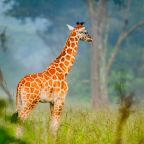
Open savannahs and woodlands dominate large parts of Uganda’s protected areas. These habitats host a wide range of raptors, hornbills, bustards, and grassland species. Birding in savannah environments often complements classic game viewing, offering opportunities to observe birds alongside elephants, giraffes, and antelopes.
Savannah birding tends to be visually rewarding and accessible, making it suitable for beginner birders and photographers alike.
Wetlands, lakeshores, and papyrus swamps
Uganda’s extensive wetland systems are among the country’s most important birding assets. Papyrus swamps, freshwater lakes, and riverbanks support a remarkable concentration of waterbirds and wetland specialists. These habitats are essential for species that are rarely seen elsewhere in Africa.
Wetland birding often involves canoe excursions or gentle boat rides, providing close and respectful encounters with birds in their natural environment. Read more on my blog Shoebill tracking in Mabamba swamp
Iconic Bird Species You Can Spot in Uganda
Albertine Rift endemic species
Birding in Uganda offers access to several bird species restricted to the Albertine Rift. These birds are a major draw for international birders who prioritize endemic sightings. Observing them in Uganda contributes to both personal birding achievements and the broader conservation value of these protected areas.
Wetland and waterbird species
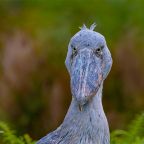
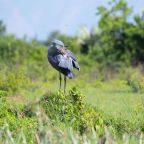
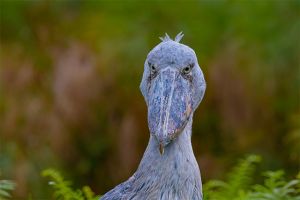
Uganda’s wetlands host some of Africa’s most iconic waterbirds. Species adapted to papyrus swamps and freshwater ecosystems thrive here, making wetland birding a highlight of many itineraries. Among these species is the legendary Shoebill, which has become one of Uganda’s most famous birding attractions.
Forest and savannah birds
From brilliantly colored sunbirds and bee-eaters to powerful birds of prey and vocal forest dwellers, Uganda’s birdlife is as visually striking as it is diverse. Each habitat introduces birders to new species and behaviors, ensuring constant variety throughout a birding safari.
Birding Safaris in Uganda – What to Expect
Guided birding experiences with local experts
Birding safaris in Uganda are typically led by trained local bird guides who possess deep knowledge of bird calls, habitats, and seasonal movements. Their expertise dramatically increases the number of species observed and enhances the educational value of the experience.
Local guides also play a critical role in ethical birding practices, ensuring that sightings do not disturb birds or their habitats. Traveling with a knowledgeable guide transforms bird watching into an immersive learning experience.
Typical birding safari day in Uganda
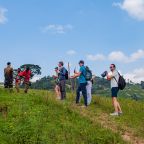
A birding day in Uganda often begins early in the morning when bird activity is highest. Walks, slow drives, and canoe excursions are paced to allow careful observation and listening. Afternoons may involve exploring different habitats or revisiting productive sites, while evenings provide opportunities for nocturnal birding in certain areas.
The flexible structure of birding safaris allows guides to adapt each day based on weather conditions, bird movements, and the interests of the group.
Group sizes and pace of birding tours
Birding tours in Uganda are usually conducted in small groups to ensure minimal disturbance and personalized attention. Smaller group sizes allow guides to cater to individual birding goals and photography needs, creating a more rewarding experience for all participants.
Combining Birding with Other Safari Experiences
Birding alongside wildlife safaris
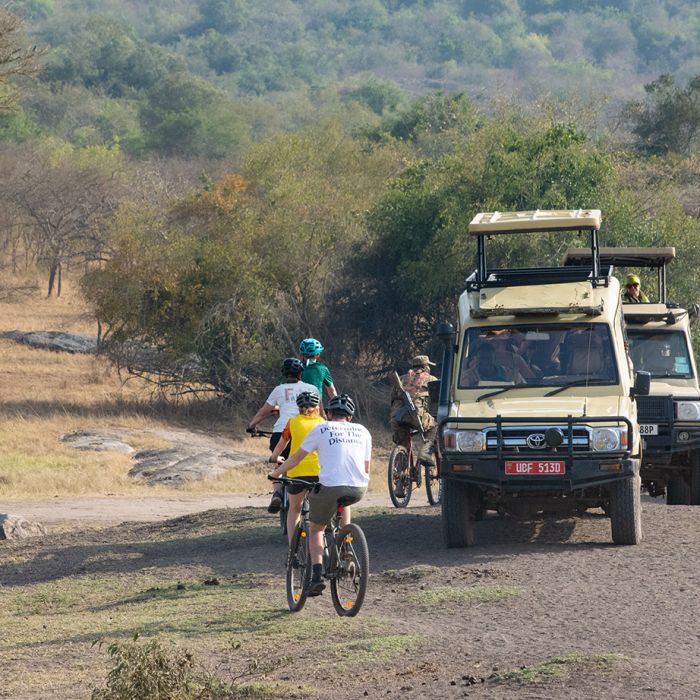
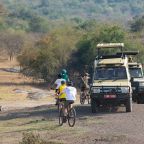
One of Uganda’s greatest advantages is the ability to combine birding with classic wildlife safaris. Many birding areas are also prime locations for observing mammals, creating a well-rounded safari experience. This combination appeals to travelers who want both birding depth and iconic African wildlife encounters.
Birding combined with primate experiences
Uganda is world-famous for its primate tracking opportunities, particularly gorilla and chimpanzee trekking. Birding can be seamlessly integrated into primate itineraries, especially in forested regions where bird diversity is exceptionally high.
Relaxation and scenic extensions
Birding safaris can also include scenic and relaxing destinations such as lakeshores and highland retreats. These extensions provide opportunities for casual bird watching, photography, and reflection after more active birding days.
Bird Photography Opportunities in Uganda
Why Uganda is ideal for bird photography
Uganda’s varied habitats, abundant birdlife, and relatively close viewing distances make it an outstanding destination for bird photography. Soft forest light, open savannah landscapes, and reflective wetland environments offer diverse photographic conditions.
Ethical photography practices
Responsible bird photography is strongly encouraged in Uganda. Ethical practices ensure minimal disturbance to birds while preserving natural behaviors. Local guides play an important role in guiding photographers on appropriate distances and positioning.
Role of local photographer-guides
Traveling with a guide who is also a wildlife photographer enhances photographic opportunities significantly. Hillary, a Ugandan wildlife photographer and birding guide, leads birding safaris with a strong focus on ethical photography, composition, and field technique, helping guests capture meaningful images while respecting nature.
When to Plan a Birding Safari in Uganda
Year-round birding overview
Birding in Uganda is possible throughout the year thanks to its resident bird populations and stable climate. At any time, birders can expect productive outings and diverse sightings across different habitats.
Migratory versus resident species overview
Seasonal migrations add an extra layer of diversity to Uganda’s birdlife. While resident species form the foundation of birding experiences, migratory birds enhance species counts during certain periods, making timing an important consideration for some travelers.
Conservation and Community Impact of Birding Tourism
Wetland conservation initiatives
Birding tourism contributes directly to wetland conservation in Uganda. Protected areas and community-managed wetlands benefit from entrance fees, guide services, and international awareness generated by birding visitors.
Community involvement in bird protection
Many birding sites are managed in partnership with local communities. These initiatives provide sustainable livelihoods while encouraging habitat protection. Birders who visit Uganda play a role in supporting these conservation efforts simply by choosing responsible, locally guided experiences.
Planning Your Birding Safari in Uganda
Choosing the right itinerary
Planning a birding safari in Uganda involves selecting habitats, travel pace, and complementary activities that match your interests. Whether focusing solely on birds or combining birding with wildlife and primate experiences, itineraries can be tailored to individual goals. Read more Best Birding National Parks in Uganda: Where to See the Most Species
Working with a local birding guide
Partnering with a local guide ensures access to the best birding locations, ethical practices, and deep ecological knowledge. Hillary, a local birding guide and wildlife photographer, offers customized birding safaris across Uganda, helping travelers experience the country’s remarkable birdlife in an authentic and responsible way.
For tailored birding safaris, photography-focused trips, or birding combined with gorilla trekking, travelers are encouraged to contact Hillary directly via Email: hillary@hillaryugandatrips.com or WhatsApp +256726436969 to plan a personalized Uganda birding experience.