Overview of Uganda’s Birding National Parks
Uganda’s reputation as a leading African birding destination is strongly supported by its network of protected national parks. Each park offers distinct ecosystems, habitat types, and bird communities, making them uniquely valuable for birders seeking variety and high species counts.
The strength of Uganda’s birding lies in the contrast between its forest parks, savannah reserves, and wetland systems. Within a single itinerary, birders can transition from mist-covered montane forests to open savannah plains and riverine wetlands. This ecological diversity allows for exceptional species diversity and specialized birding opportunities.
Choosing the best birding parks in Uganda depends largely on individual goals, whether targeting Albertine Rift endemics, open-country raptors, waterbirds, or Congo Basin forest species.
Bwindi Impenetrable National Park for Forest Birding
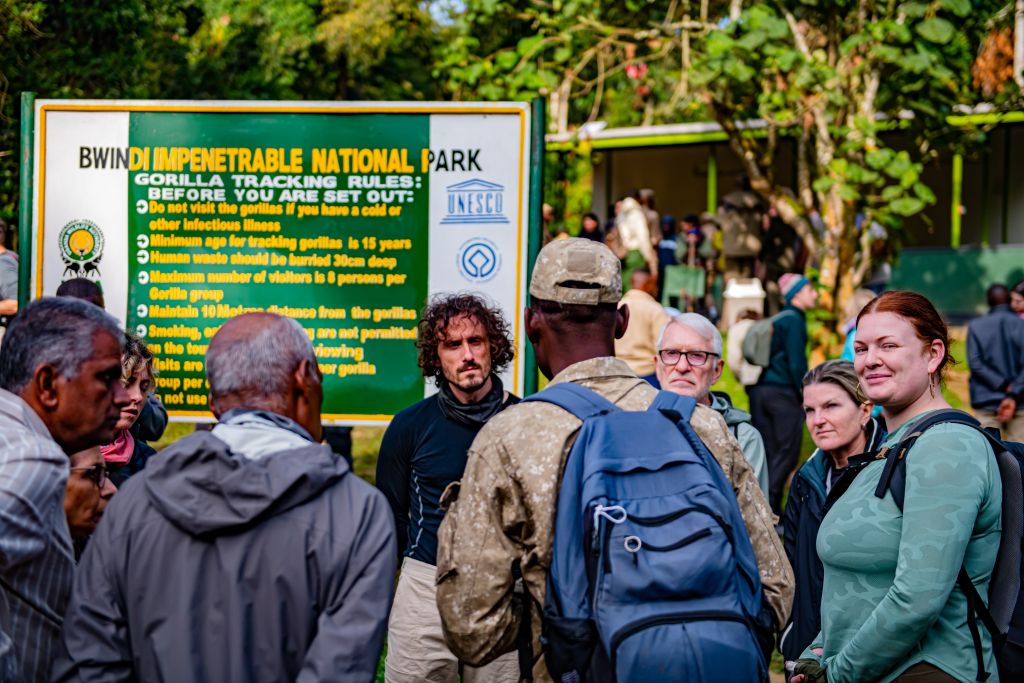
Bwindi Impenetrable National Park is one of the most important birding parks in Uganda, particularly for forest specialists and Albertine Rift endemics. With more than 350 recorded bird species, Bwindi offers some of the highest-quality montane forest birding in Africa.
The dense forest canopy and varied elevation zones create ideal habitats for rare and localized birds. Birding in Bwindi requires patience and attentive listening, as many forest species are heard before they are seen. Guided forest walks increase the chances of spotting canopy dwellers and undergrowth specialists.
Bwindi is especially appealing to birders who wish to combine forest birding with primate experiences, as the park is also globally known for mountain gorilla trekking. This makes it one of the most versatile birding destinations in the country.
Queen Elizabeth National Park Bird Species Diversity
Queen Elizabeth National Park is often considered one of the most diverse birding parks in Uganda due to its varied habitats. With over 600 recorded bird species, the park offers a mix of savannah, wetlands, crater lakes, and forested gorges.
The Kazinga Channel is particularly productive for waterbirds, providing excellent viewing opportunities from boat safaris. Open savannah areas support raptors, hornbills, and grassland species, while the forested Kyambura Gorge introduces additional diversity.
Queen Elizabeth National Park is ideal for birders who want a combination of bird watching and classic wildlife safari experiences. The park’s accessibility and infrastructure make it suitable for both beginner and experienced birders.
Murchison Falls National Park and Riverine Birding
Murchison Falls National Park offers some of the most dramatic scenery among Uganda’s birding destinations. The Nile River, savannah plains, and woodland habitats create a dynamic environment for bird life.
Boat excursions along the Nile provide exceptional opportunities to observe waterbirds, riverine species, and birds of prey. The combination of riverbanks and open grasslands allows for diverse sightings in a relatively compact area.
Murchison Falls is particularly attractive for birders interested in combining bird watching with large mammal sightings. Its expansive landscapes and strong wildlife populations make it one of the most balanced safari destinations in Uganda.
Semuliki National Park and Congo Basin Species
Semuliki National Park stands out among Uganda’s birding parks due to its lowland tropical forest ecosystem, which shares ecological characteristics with the Congo Basin. This unique habitat supports bird species that are otherwise rare or absent in other parts of East Africa.
Birding in Semuliki is often described as distinct from other Ugandan parks because of its Central African influence. The forest environment presents opportunities to encounter specialized species that are highly sought after by experienced birders.
For those focused on expanding life lists with unique regional species, Semuliki National Park is a critical addition to any Uganda birding itinerary.
Kibale Forest National Park and Mid-Altitude Species
Kibale Forest National Park is best known for chimpanzee tracking, but it also offers rewarding mid-altitude forest birding. The park’s moist evergreen forest supports a wide range of species, including colorful forest birds and vocal canopy dwellers.
Birding in Kibale is often combined with primate tracking experiences, creating a rich and varied forest safari. Its accessibility and established trail system make it manageable for birders of different experience levels.
Lake Mburo National Park for Open Savannah Birding
Lake Mburo National Park provides a different birding experience compared to Uganda’s forest parks. Dominated by open savannah and acacia woodland, the park supports grassland and dry-country bird species that complement forest-focused itineraries.
The presence of lakes and wetlands within the park adds further diversity, attracting waterbirds and migratory species. Lake Mburo is especially suitable for relaxed birding walks and shorter safaris near Entebbe or Kampala.
Choosing the Right Birding Park for Your Goals
Selecting the best birding parks in Uganda depends on personal interests and priorities. Birders focused on endemic forest species may prioritize Bwindi Semuliki and also Mabamba swamp for shoebills. Those seeking high overall species counts with varied habitats may choose Queen Elizabeth National Park. Travelers wanting riverine birding combined with dramatic landscapes might opt for Murchison Falls.
Many birding itineraries combine multiple parks to maximize habitat diversity and species exposure. Working with an experienced local guide ensures that park selection aligns with seasonal conditions, bird movements, and individual birding targets.
Guided Birding Safaris Across Uganda’s National Parks
Exploring Uganda’s national parks for birding is significantly enhanced by expert guidance. Local knowledge of bird calls, microhabitats, and seasonal patterns increases sighting success and enriches the overall experience.
Hillary, a local wildlife photographer and birding guide, leads customized birding safaris across Uganda’s top national parks. His field expertise allows guests to move efficiently between habitats while maximizing opportunities for both observation and photography. By combining identification skills with photography guidance, Hillary ensures birders capture meaningful encounters in an ethical and responsible way.
Whether focusing on forest endemics, savannah raptors, or wetland specialists, guided birding safaris provide structure, efficiency, and deeper ecological understanding.
Planning Your Birding Route Through Uganda
Because Uganda’s birding parks are relatively close to one another, it is possible to design efficient itineraries that cover multiple ecosystems in a single trip. Strategic routing reduces travel time while increasing habitat diversity.
For a broader understanding of how these parks fit into the country’s overall birding landscape, visitors can explore the comprehensive Birding in Uganda guide, which connects national parks, wetlands, and forest reserves into a unified birding strategy.
To organize a personalized birding safari across Uganda’s national parks, contact Hillary directly via WhatsApp +256726436969 or email at hillary@hillaryugandatrips.com to plan a guided experience led by a local expert.