Understanding Different Birding Experience Levels
Uganda attracts a wide range of bird watchers, from first-time safari travelers to highly experienced ornithologists. Because of this diversity, birding safaris must be carefully structured to match experience level, expectations, and personal goals.
The difference between a beginner birding safari and an advanced birding expedition lies not only in species targets but also in pace, guiding style, habitat focus, and daily structure. Designing a safari without considering experience level often results in either overwhelm or under-stimulation.
Uganda’s remarkable bird diversity allows for both relaxed introductory bird watching and highly specialized, target-driven expeditions.
What Defines a Beginner Birding Safari in Uganda
A beginner birding safari in Uganda focuses on visibility, accessibility, and enjoyment rather than technical identification challenges. Many travelers are new to African birds and may be unfamiliar with calls, behavior patterns, or field identification techniques.
For beginners, safaris emphasize:
Clear sightings of larger or colorful species
Open habitats with easier viewing conditions
Shorter walking distances
Slower pace with explanation and interpretation
Guiding style becomes highly educational. Instead of quickly moving between species calls, the guide explains habitat, behavior, and distinguishing features in detail. This builds foundational understanding while keeping the experience enjoyable.
Uganda is particularly suitable for beginner birders because many species are visible in open savannah, wetlands, and forest edges, making sightings rewarding and frequent.
What Defines an Advanced Birding Safari
Expert birders approach Uganda differently. Many arrive with detailed species lists and specific target birds in mind. For this group, a birding safari becomes a focused mission requiring precision and strategic routing.
Advanced birding safaris often involve:
Early departures before sunrise
Longer forest walks
Listening for subtle calls
Targeting endemic or localized species
Flexible itineraries based on bird movements
The pace is faster and more technical. Identification often relies on call recognition, habitat familiarity, and brief canopy sightings. These safaris demand physical stamina and strong concentration.
Uganda’s high endemism and habitat diversity make it one of the most rewarding destinations for experienced birders seeking to expand life lists.
Differences in Safari Pace and Structure
One of the most important distinctions between beginner and expert birding safaris is daily rhythm.
Beginner itineraries are balanced with wildlife viewing, photography stops, and comfortable travel times. Breaks are built into the day to prevent fatigue, especially for travelers combining birding with general safari activities.
Advanced birding tours, however, are designed around peak bird activity periods. Mornings begin very early, and mid-day breaks are minimized if target species are active. Evening sessions often continue until dusk to maximize opportunities.
Matching the right pace to the traveler ensures a positive and productive experience.
Equipment and Preparation Differences
Preparation also varies significantly between beginner and expert birders.
Beginner bird watchers often travel with basic binoculars and rely heavily on their guide for identification. The focus is on learning field techniques such as using light, observing behavior, and understanding habitat clues.
Experienced birders typically arrive with specialized optics, field guides, bird call apps, and sometimes recording equipment. They may track species counts daily and keep detailed notes.
Safari planning must account for these differences to ensure logistics support the traveler’s style of birding.
Habitat Selection Based on Experience Level
Uganda offers forest, savannah, wetland, and montane ecosystems. The choice of habitat strongly influences safari design.
Beginner safaris often prioritize open habitats where birds are easier to see and photograph. Wetlands and savannah areas provide excellent introductory experiences.
Advanced birding safaris frequently focus on dense forests and specialized ecosystems where rare species occur. These environments require patience and strong listening skills.
Careful habitat selection prevents overlap with other specialized pages such as park-specific or seasonal birding guides.
Combining Birding with Other Safari Activities
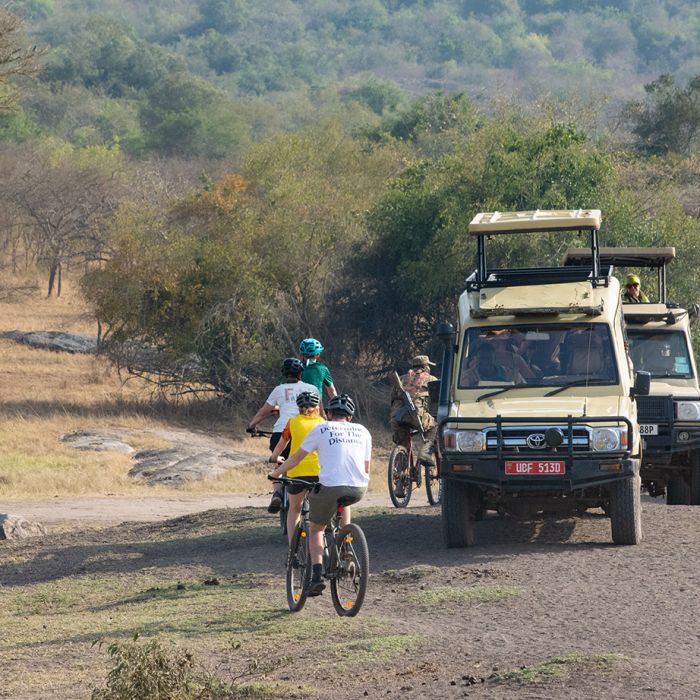
Many beginner birders travel with family members or companions who may not be exclusively focused on bird watching. In these cases, itineraries blend birding with general wildlife safaris, cultural visits, or scenic stops.
Advanced birders, by contrast, often prefer fully dedicated birding itineraries. Non-birding activities are minimized unless strategically useful for accessing specific habitats.
Uganda’s flexibility allows for both styles without compromising quality.
The Importance of a Skilled Local Guide
Regardless of experience level, the success of a birding safari in Uganda depends heavily on the guide’s expertise.
For beginners, a guide must be patient, educational, and encouraging. Teaching identification techniques while maintaining enthusiasm is essential.
For expert birders, the guide must have deep field knowledge, strong call recognition skills, and familiarity with seasonal bird movements. Precision and efficiency become critical.
Hillary, a local wildlife photographer and experienced birding guide, designs customized safaris based on each client’s skill level. His background in field photography enhances both beginner and expert experiences by helping guests understand behavior, positioning, and ethical wildlife viewing. Whether guiding relaxed introductory bird watching tours or highly focused endemic-target expeditions, Hillary ensures that each safari matches the birder’s expectations and ability.
Tailored Birding Safaris for Maximum Satisfaction
A one-size-fits-all birding itinerary rarely delivers optimal results. Tailoring the safari ensures that:
Beginners gain confidence and enjoyment
Intermediate birders improve identification skills
Experts efficiently locate target species
Pre-trip consultation helps determine goals, fitness level, and preferred pace. This preparation prevents disappointment and enhances success rates.
Uganda’s diversity makes it possible to design highly personalized birding safaris without repeating content covered in broader national guides.
Choosing the Right Birding Experience for You
Understanding whether you prefer relaxed discovery or technical species targeting is the first step in planning your Uganda birding safari.
Some travelers begin as beginners and quickly develop deeper interest during their trip. Others arrive with years of experience and detailed species objectives. Both approaches are valid and rewarding when properly structured.
For a comprehensive overview of birding opportunities across the country, visit the main Birding in Uganda guide, which connects habitats, ecosystems, and safari planning into one framework.
To design a personalized birding safari based on your experience level, contact Hillary directly via WhatsApp +256726436969 or email at hillary@hillaryugandatrips.com to begin planning your custom Uganda birding adventure.